Where to Stay in New Orleans: Best Areas & Hotels (2026)
By Gilson Tonin, MBA · Founder of travelpluscost
June 27, 2026 · 17 min read
Search New Orleans stays
One honest price — the rate plus one small flat fee, the same for everyone, on any device.
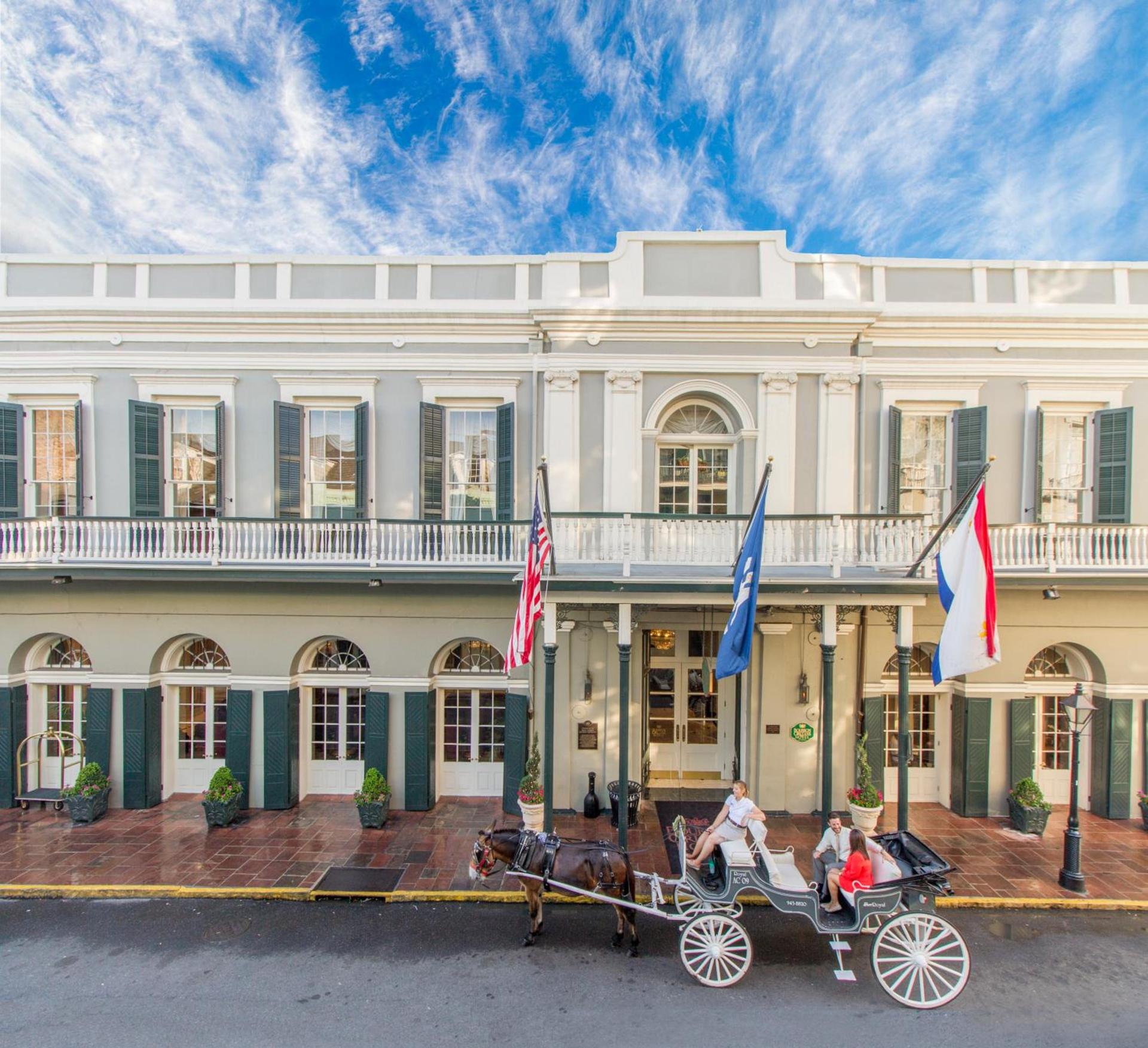
Photo: Bourbon Orleans Hotel, New Orleans
Check prices for these dates
Top-rated stays in New Orleans
One honest price — the rate plus one flat fee, the same for everyone
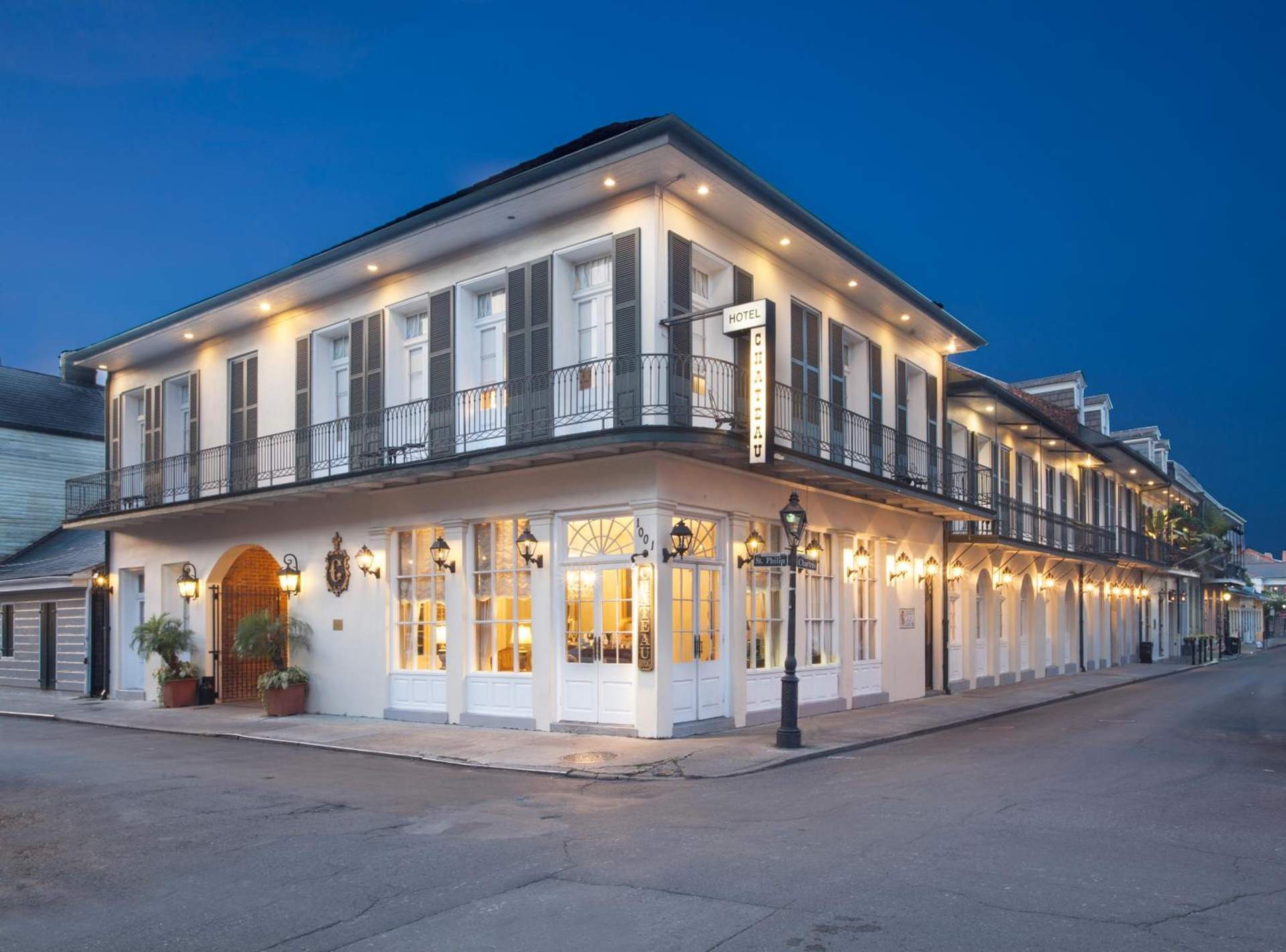
Chateau Hotel
New Orleans, Louisiana
ParkingAir conditioning
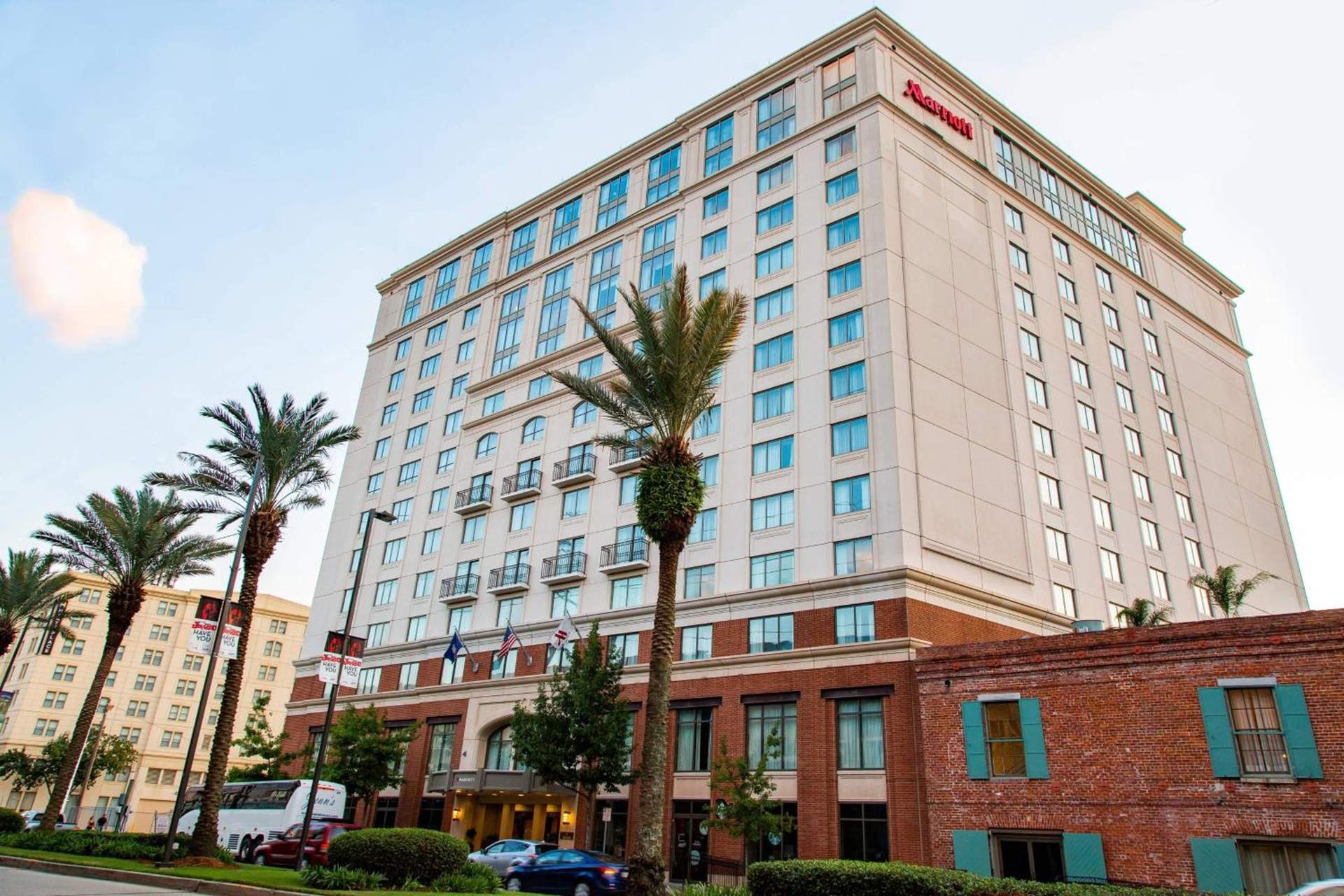
New Orleans Marriott Warehouse Arts District
New Orleans, Louisiana
GymParking
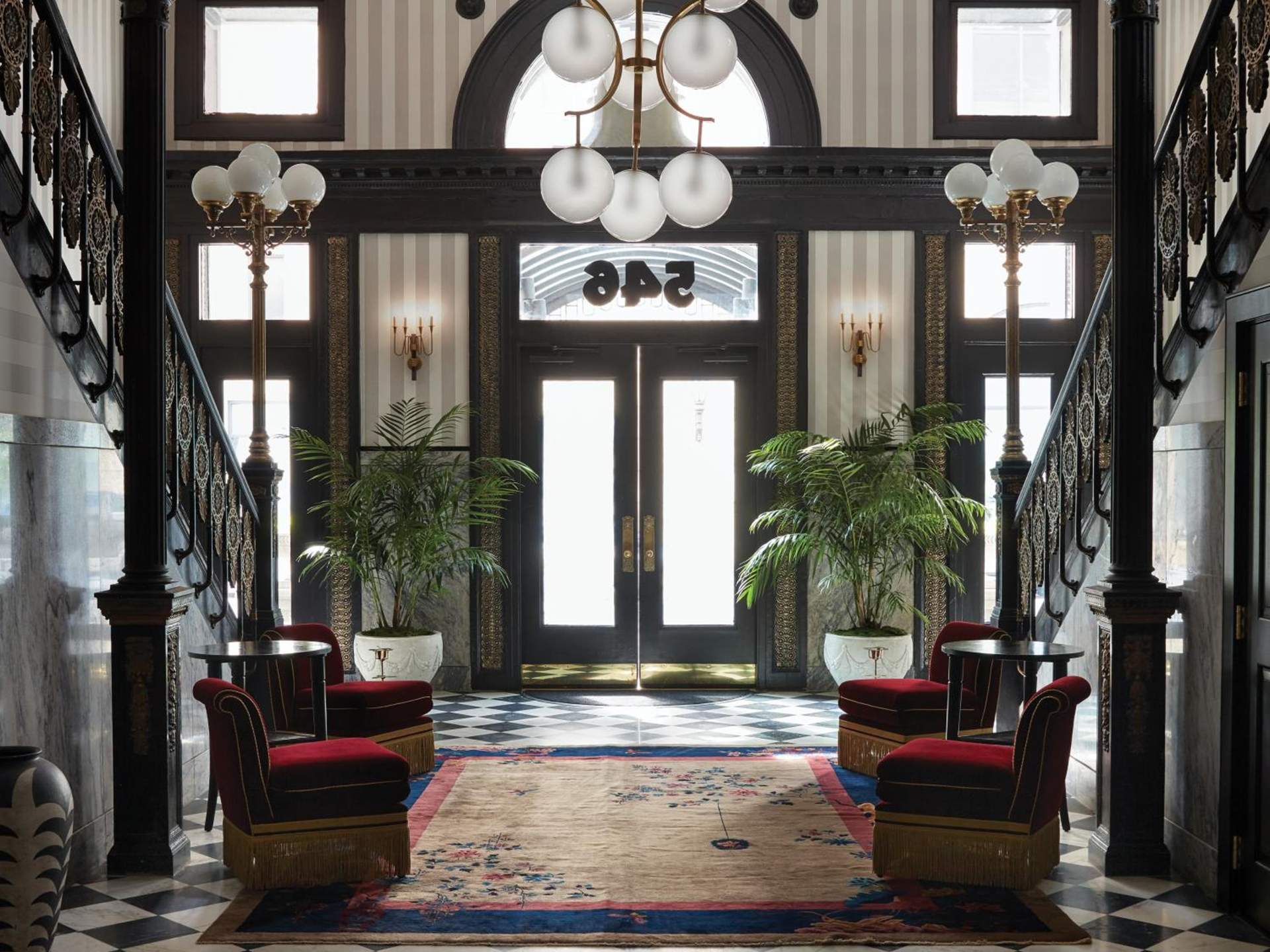
Maison Metier, in the Unbound Collection by Hyatt
New Orleans, Louisiana
EV chargingParking
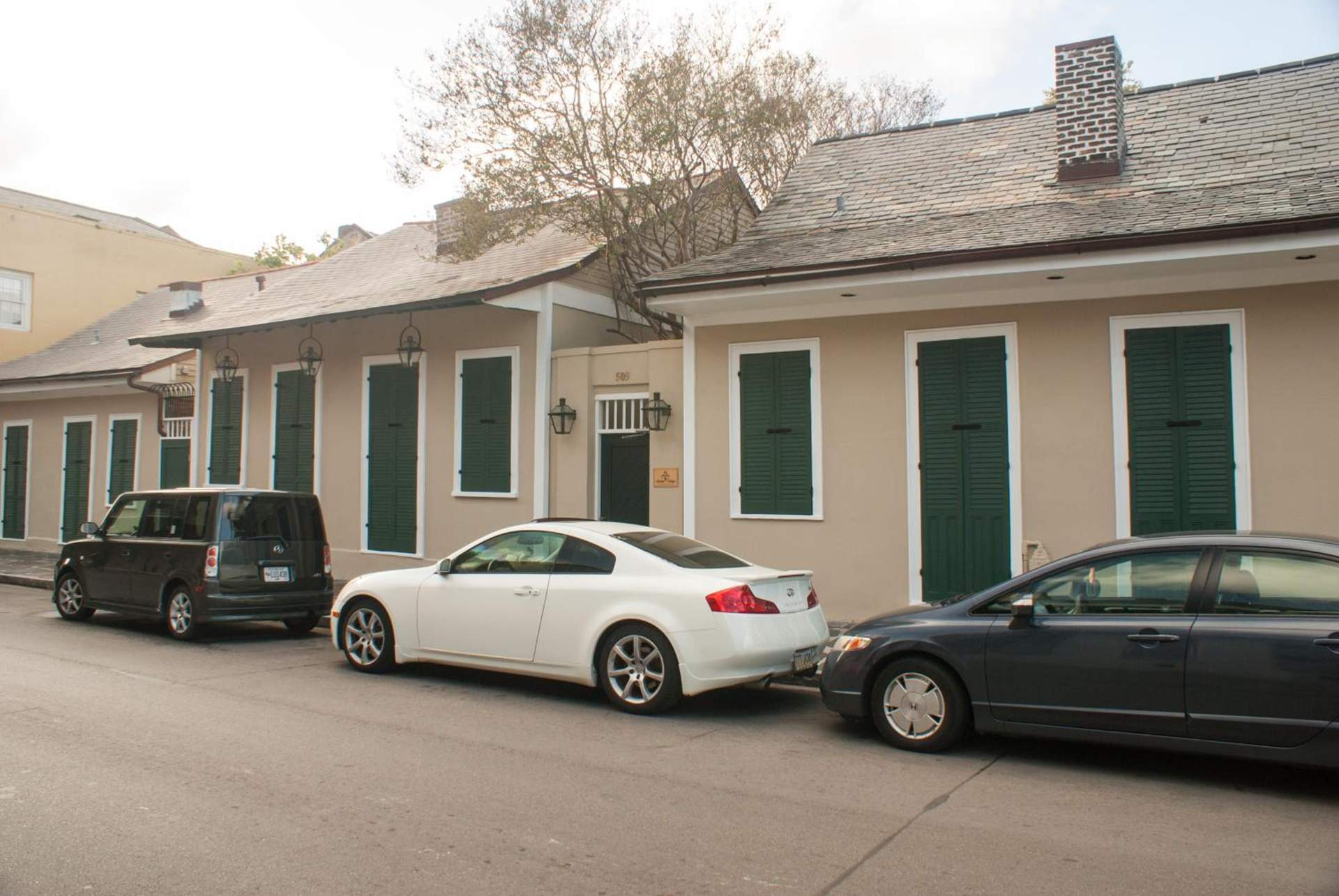
Audubon Cottages
New Orleans, Louisiana
ParkingAir conditioning
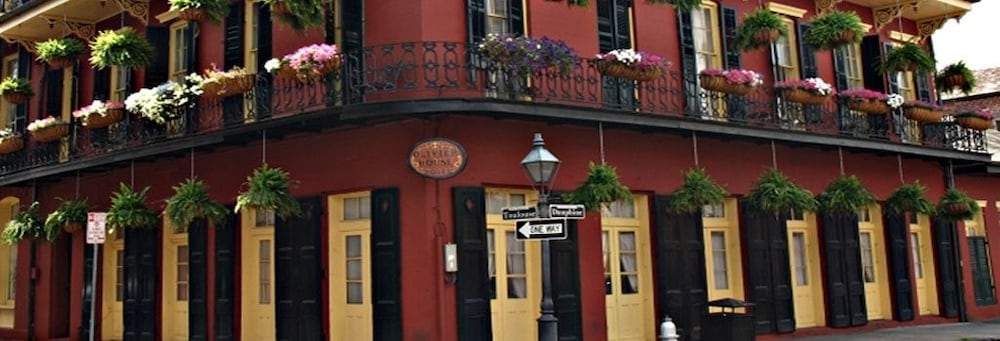
The Olivier House Hotel
New Orleans, Louisiana
Free WiFiAccessible
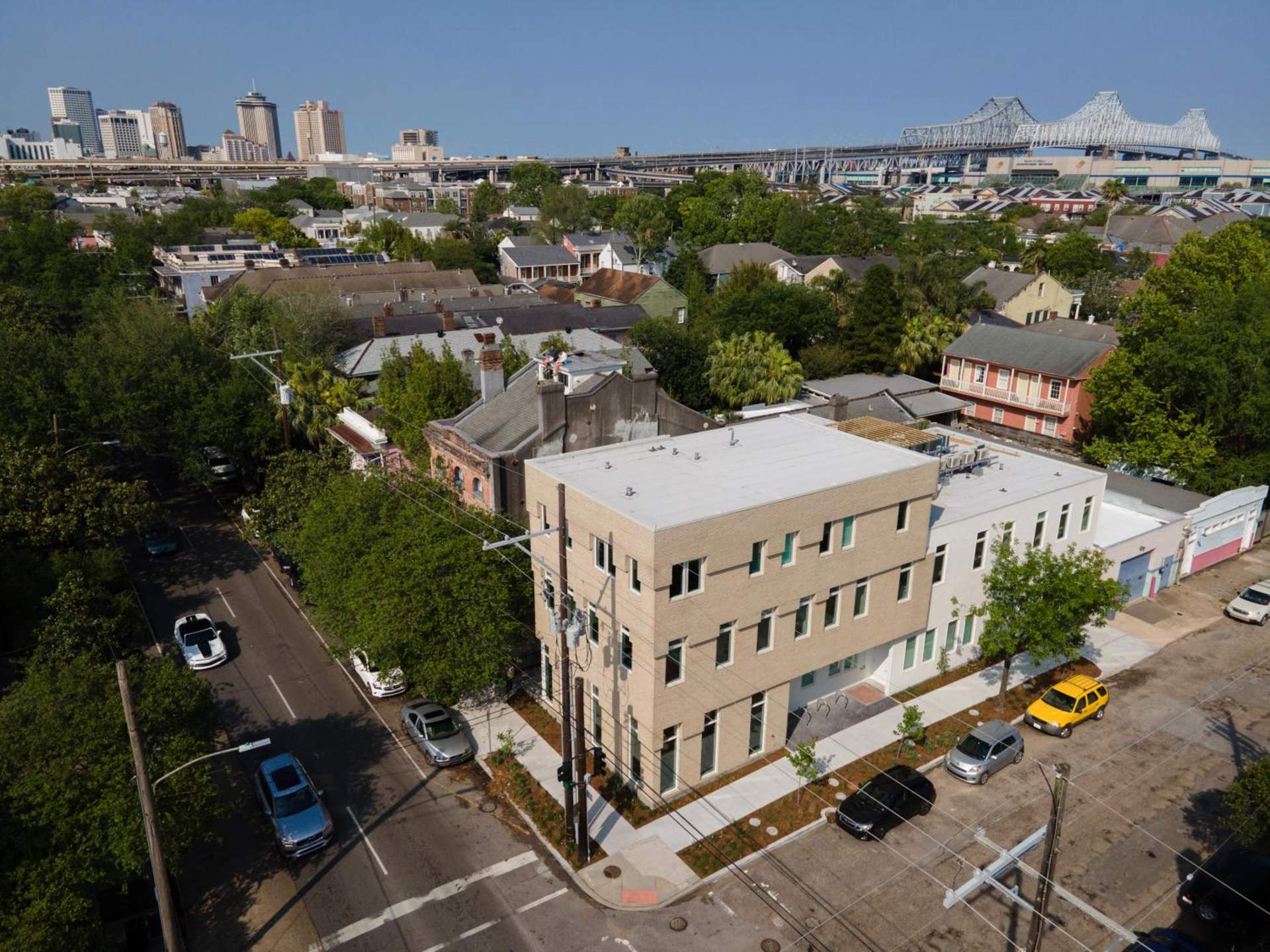
Travelers New Orleans
New Orleans, Louisiana
Air conditioning
The short answer
New Orleans splits into a handful of distinct neighborhoods. First timers want the French Quarter for its walkable, all in atmosphere. The CBD next door trades charm for value and quiet. The Warehouse District is for museums. The Marigny is for live music. And the Garden District is the leafy, streetcar served escape from the noise.
- French Quarter, historic, walkable, the center of it all. The first timer base.
- CBD / Warehouse District, modern hotels, quieter, better value, a short walk over.
- Faubourg Marigny, Frenchmen Street's live music, local and low key.
- Garden District / Uptown, leafy mansions and the St. Charles streetcar.
- Skip the car, the Quarter is walkable and parking is pricey. Streetcars and rideshares cover the rest.
Where to stay in New Orleans comes down to one question, how close to the noise do you want to sleep? For a first trip, stay in the French Quarter, the 300-year-old heart of the city, where the food, the music and the cathedral are all a short, slightly humid walk from your door.
The Quarter is not the only answer, though, and a few blocks change the whole trip. The city is really a string of neighborhoods, the nonstop Quarter, the quieter business district beside it, the museum lined Warehouse District, the live music Marigny, and the Garden District, where the mansions sit a slow streetcar ride from the chaos.
Below are the real, bookable hotels in each one, then the honest guide to where to stay, as of 2026, and updated when the rates move.
One rule before anything else, do not rent a car. The Quarter is walkable, parking runs pricey and scarce, and the streetcars and rideshares cover the rest. A car here is mostly a $40-a-night place to keep your anxiety while you eat.
New Orleans Hotels by Area, at a Glance
The deciding factor is how much music and chaos you want at the door versus how much calm, and, in the Quarter, which exact block you land on.
They are all fairly central in the Crescent City, one of the oldest in the United States, so you are really choosing a mood, not a commute. Whatever you pick, a streetcar or a short rideshare puts the rest of the city within reach, so no single neighborhood locks you out of the others.
The honest truth is there is no wrong answer here, only the difference between rolling out of bed onto Bourbon Street and rolling out of bed under a hundred year old oak. Pick the area first, then the hotel.
| Area | The feel | Best for | The rate |
|---|---|---|---|
| French Quarter | Historic, lively, walkable | First-timers, atmosphere, food | Mid to high |
| Central Business District | Modern, central, quieter | Value, conventions, easy walking | Low to high |
| Warehouse / Arts District | Galleries, museums, lofts | Museum-goers, couples, art | Mid to high |
| Faubourg Marigny | Bohemian, live music, local | Music lovers, a non-touristy stay | Low to mid |
| Garden District / Uptown | Leafy, mansions, the streetcar | Calm, couples, repeat visitors | Mid |
See every New Orleans hotel and its live nightly price
The French Quarter: Where to Stay in New Orleans for a First Time Visit
The Quarter is the postcard, the first timer's pick, and the one neighborhood where ditching the car is the whole point rather than a sacrifice. You wake up steps from Jackson Square and St. Louis Cathedral, with beignets at Cafe du Monde and Royal Street's antique shops a short walk away.
The catch is Bourbon Street, which runs loud and late every single night, including the ones you would hoped it would not. Book two or three blocks toward Royal, Chartres or Esplanade, and the volume drops to a civilized hum.
You can have the French Quarter atmosphere and still sleep, but the exact block decides it. Bourbon Street and the few streets around it run loud and late every night. Book two or three blocks toward Royal, Chartres or Esplanade, the lower Quarter, and the volume drops to a civilized hum.
When people ask where to stay in New Orleans for a first trip, this is the default answer, and for good reason, nearly everything is within walking distance, including the part where you regret the third order of beignets. Spend your days the way the Quarter intends, a slow lap of Royal Street's galleries, a mule drawn carriage you will pretend you are too cool for, and a praline you buy anyway.
The street musicians around Jackson Square are the real soundtrack, and they are better than half the bars that charge a cover. So pick a hotel that lets you stumble home, not commute.
The Quarter also hoards the city's best boutique hotels, old Creole townhouses and courtyard properties where the building does half the work. Four worth the money,
The Hotel Monteleone is the grande dame, the literary landmark where Faulkner and Tennessee Williams worked through their writer's block at the bar. The slowly revolving Carousel Bar rotates whether or not you have earned it, and the rooftop pool looks out over the whole Quarter.
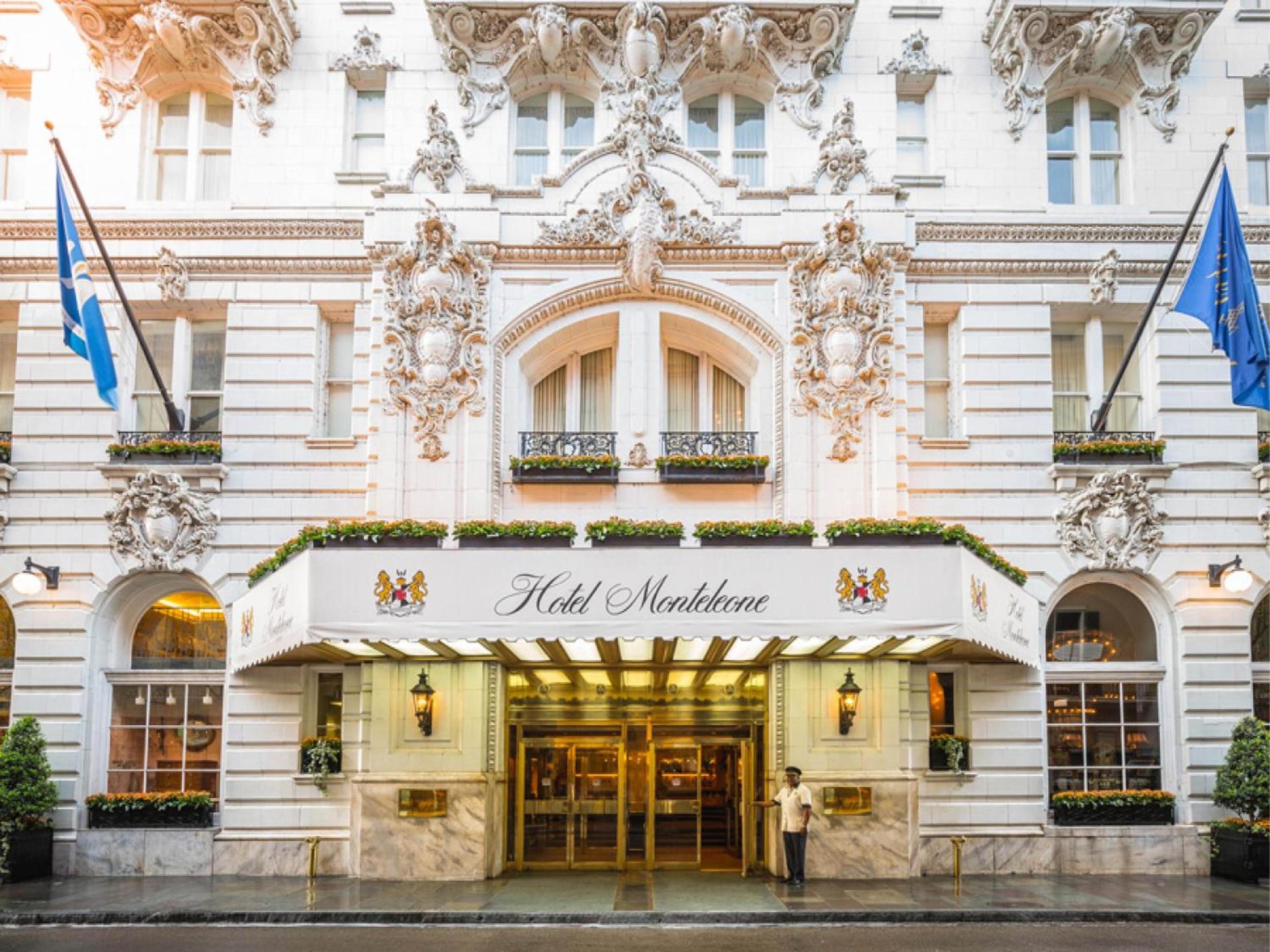
Guests loved: Exceptional service · Great location
The Royal Sonesta sits right on Bourbon Street but hides a leafy courtyard that pretends the street is not there. Step out for the chaos, step back in for a quiet rum, it is the noise on your terms.
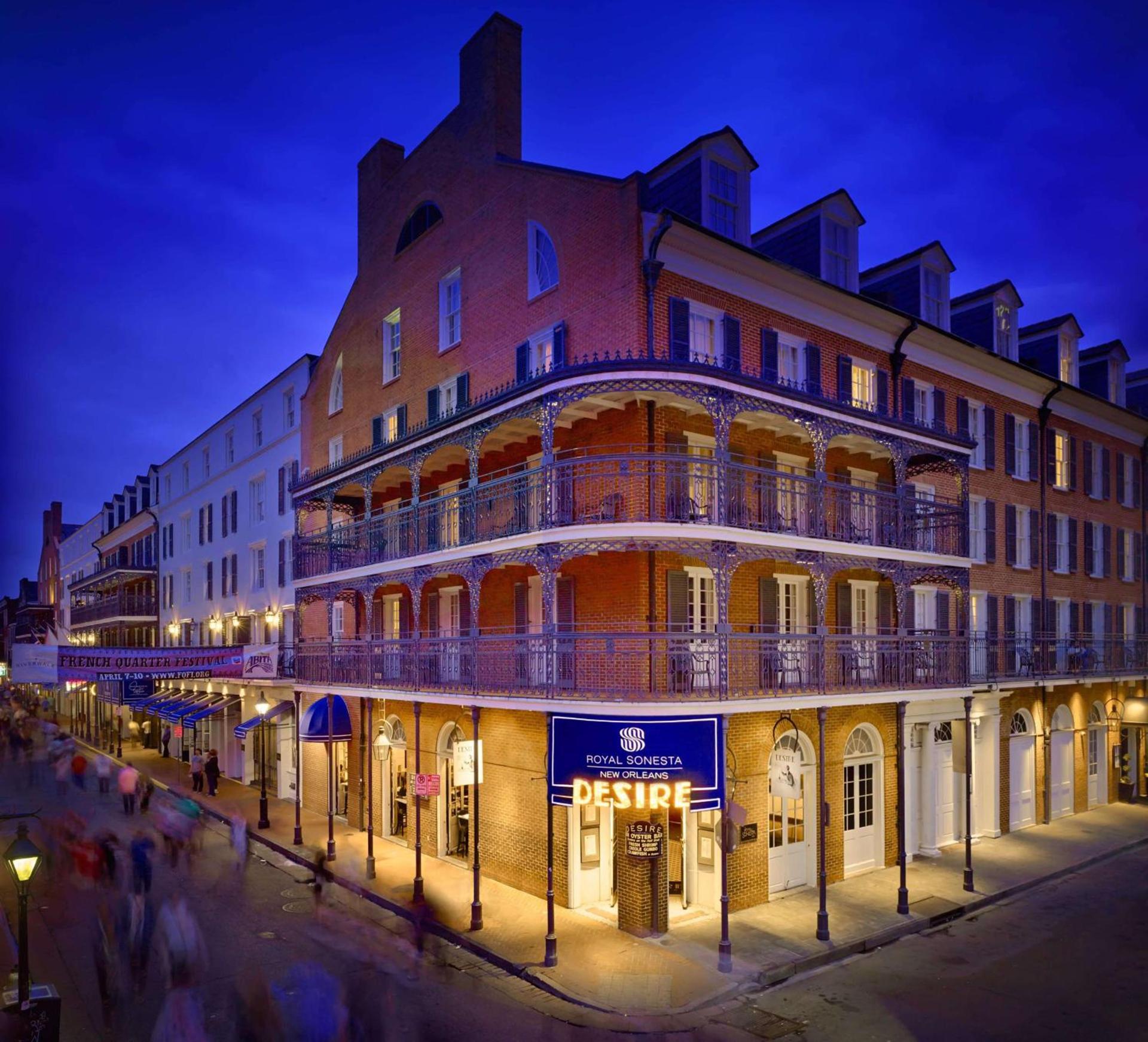
Guests loved: Good location · Friendly staff
The Omni Royal Orleans holds the elegant corner of Royal and St. Louis, a marble and balconies classic with a serious restaurant downstairs. Its rooftop bar has one of the best Quarter views in the city, and you will fight the locals for a table.
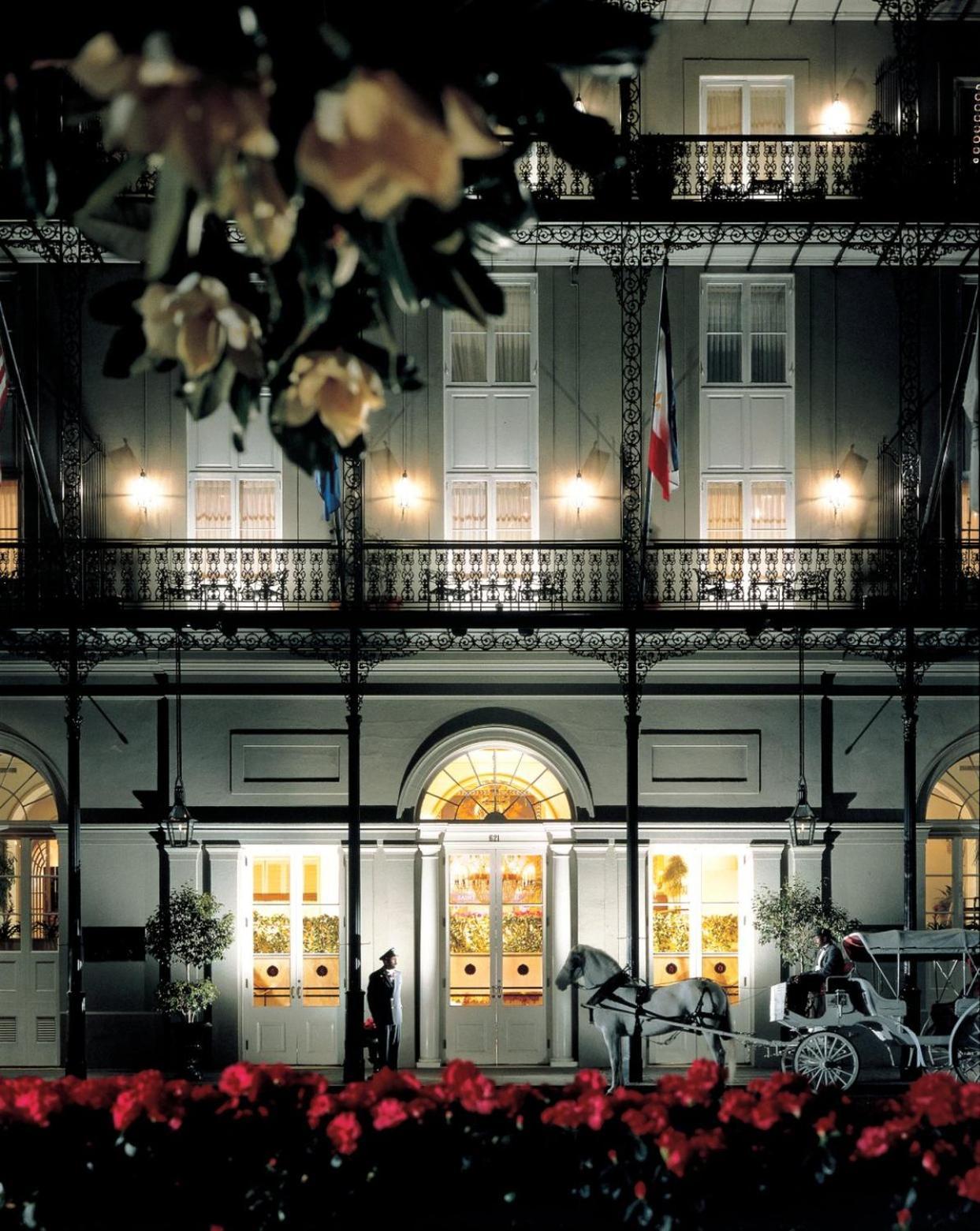
Guests loved: Great location · Friendly staff
For the same courtyard charm at a gentler rate, the French Market Inn tucks into the quieter lower Quarter. The brick courtyard and the free evening wine make it feel like a secret, which it mostly is.
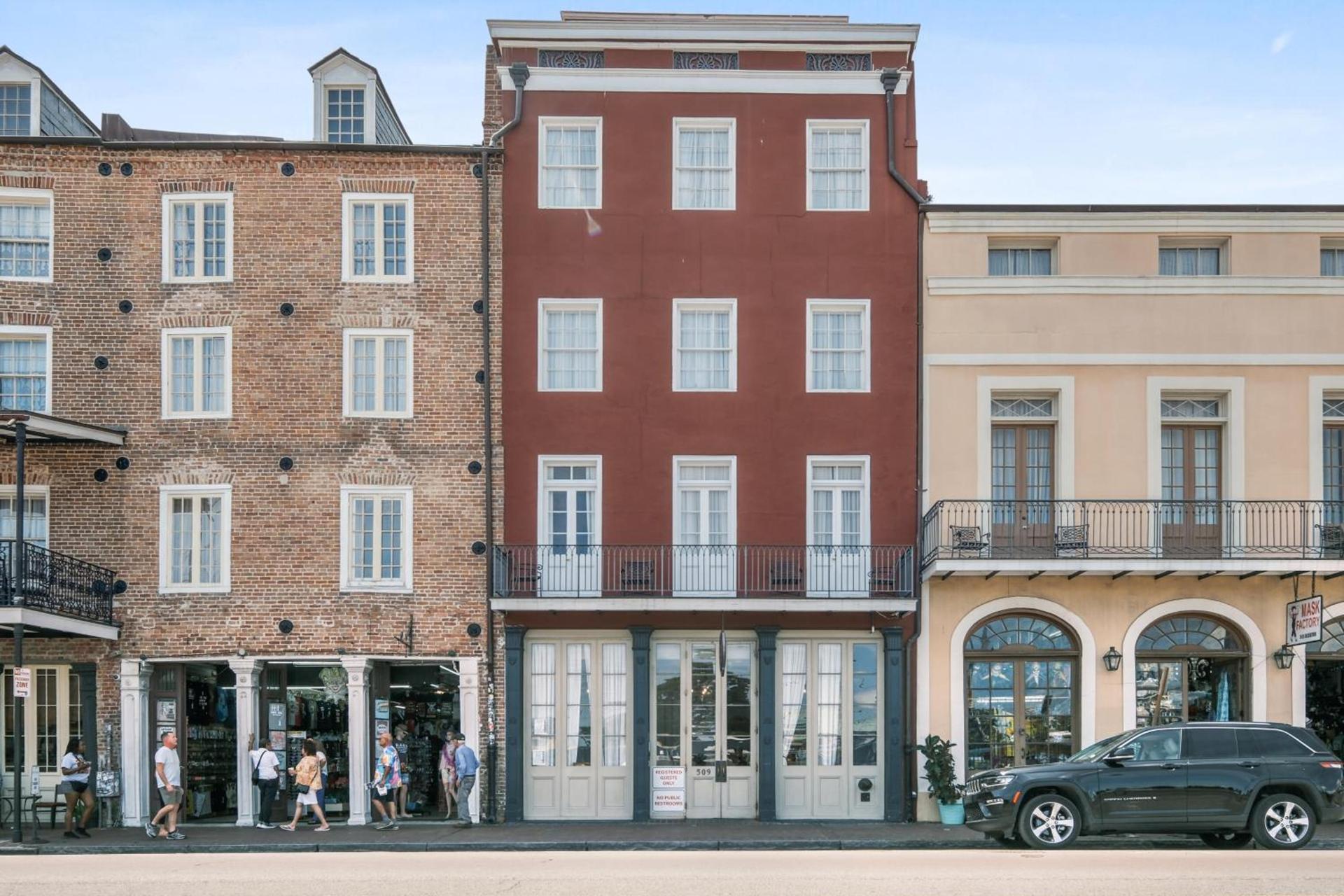
Guests loved: Friendly staff · Great location
The Central Business District: Quieter, Central and Better Value
The CBD is the Quarter's sensible neighbor, downtown New Orleans, where the hotels are taller, the rooms are newer, and the rates run a notch cheaper. You give up the storybook cobblestones. You get a quiet night and a ten minute walk back to the chaos.
Canal Street is the only thing between you and the Quarter, and every streetcar line meets here for easy access to the rest of the city without a car. It is where to stay in New Orleans for value, with the Caesars casino, the aquarium and the riverfront right outside.
This is also where the big Mardi Gras parades roll, down St. Charles and Canal, and where Mother's has been slinging po boys to a line out the door since 1938. The Superdome is a short walk too, so a game day and a quiet hotel can happily coexist.
The NOPSI Hotel is the standout, set in a beautifully restored 1920s power company building, the name is an old utility acronym, which is very on brand for the CBD. Its rooftop pool and bar look out over downtown.
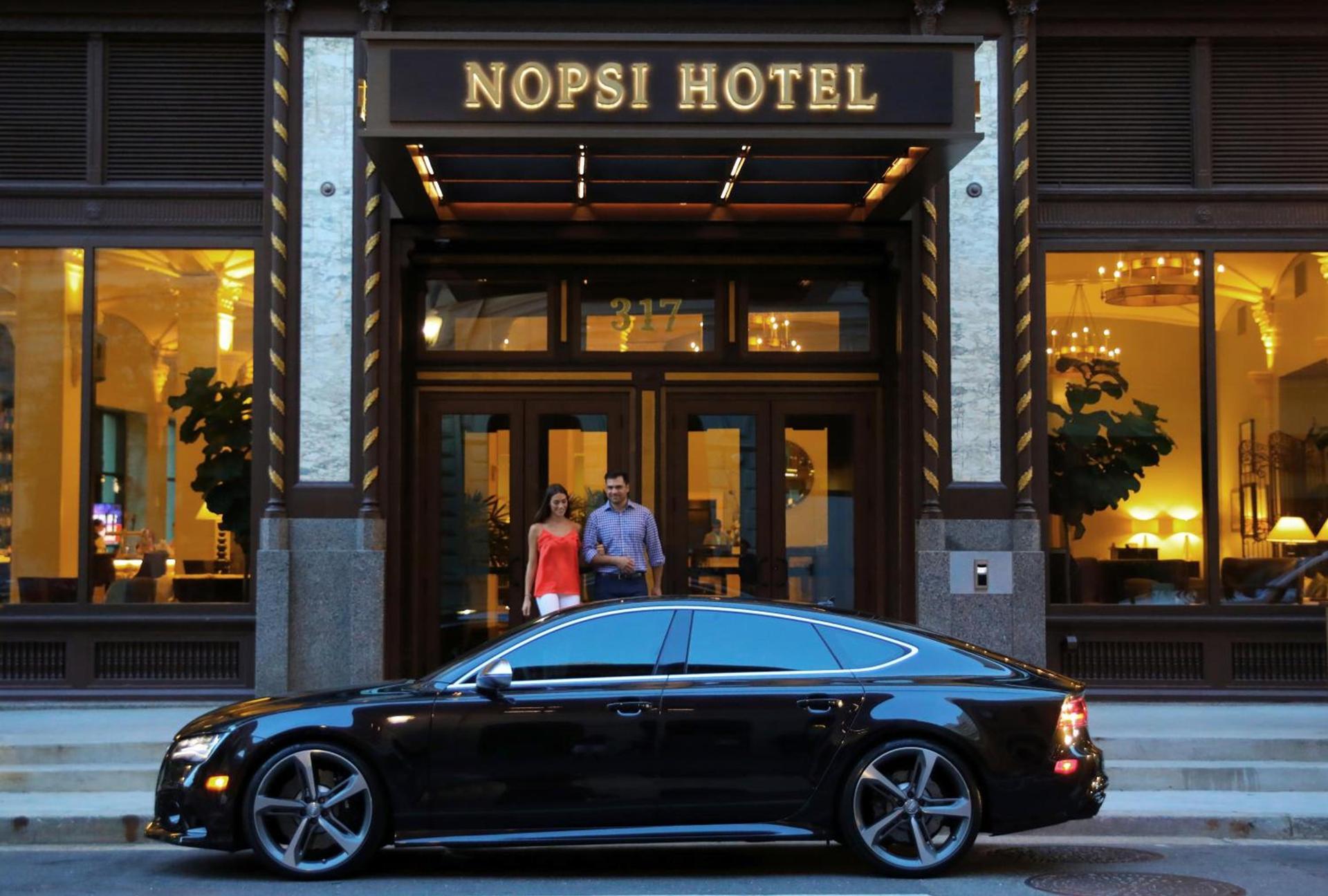
Guests loved: Great location · Friendly staff
The Roosevelt New Orleans, a Waldorf Astoria, is the grand marble landmark that gave the world the Sazerac Bar, order one, you will understand. Its block long lobby goes full Hollywood at Christmas, draped in lights people drive in just to see, and our Christmas in New Orleans guide maps the rest of the season.
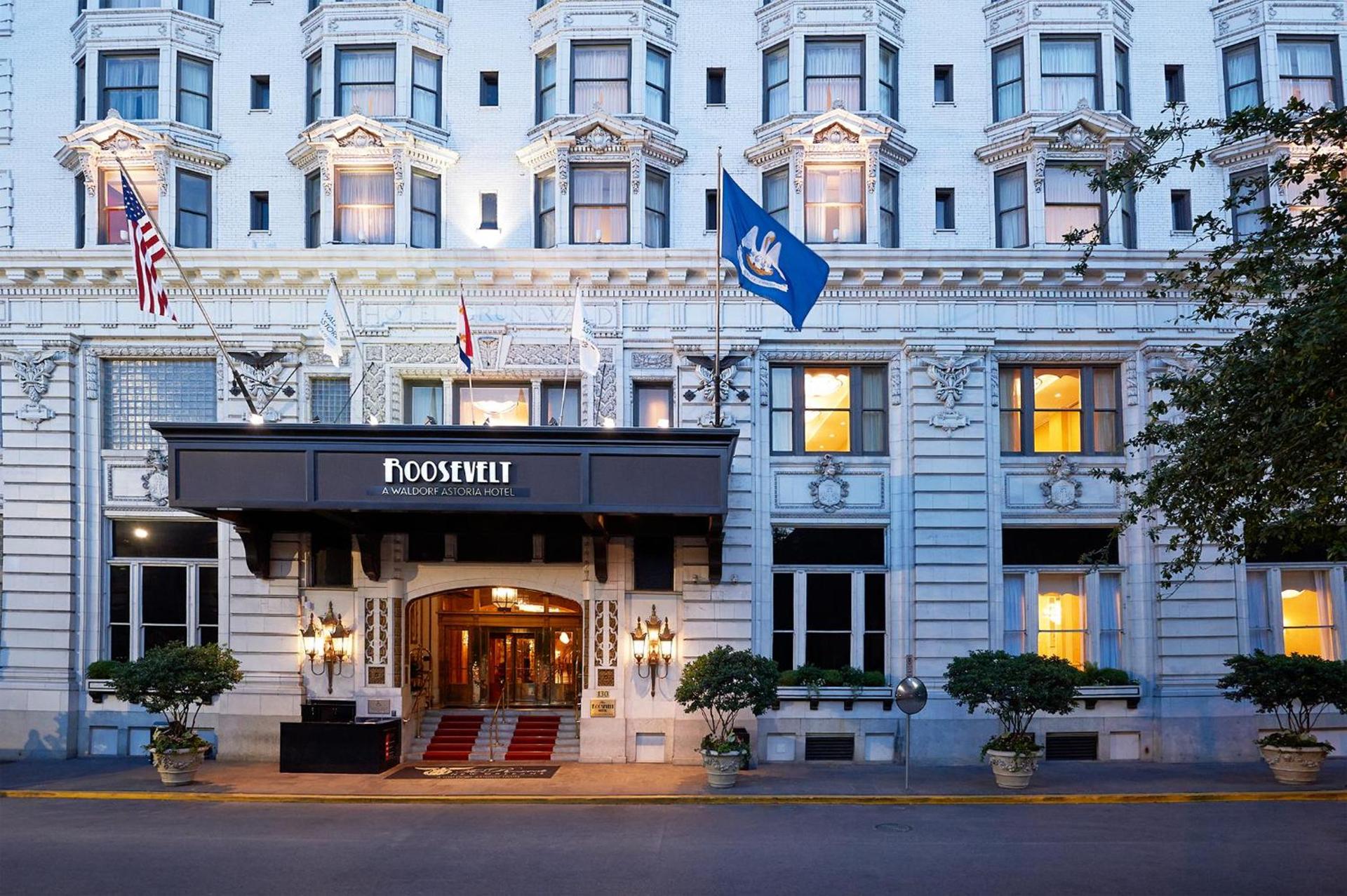
The Drury Plaza is the value pick, with free evening drinks and snacks that quietly do the math in your favor. It is plain, central and unglamorous, which is exactly what a good value hotel should be.

Guests loved: Excellent staff · Great location
The Warehouse District: Museums, Galleries and Lofts
The Warehouse and Arts District is downtown's grown up corner, old warehouses turned into art galleries, lofts and the National WWII Museum, just upriver from the CBD. Julia Street's galleries, the Ogden and the Contemporary Arts Center anchor it, and some of the city's best newer restaurants are within walking distance. It is where to stay in New Orleans if you would rather spend a morning at a museum than a night on Bourbon Street.
The easy access to both the Quarter and the convention center makes it a quiet, central base. Your one real decision is museum mornings or Bourbon Street nights.
The National WWII Museum alone justifies the neighborhood, it is routinely ranked among the best museums in the country, and it will eat a half day you did not plan to give it. Down by the river, Mardi Gras World lets you walk through the float building warehouse year round, which is exactly as strange and wonderful as it sounds.
The Cambria Warehouse District is the modern, well reviewed base right in the thick of the galleries, a short walk from the museum. The rooms are new and the location does the rest.

Roami at Factors Row offers apartment style suites in a converted warehouse, a kitchen, more space, and room to spread out. It is the move for families, or anyone staying long enough to want a fridge.
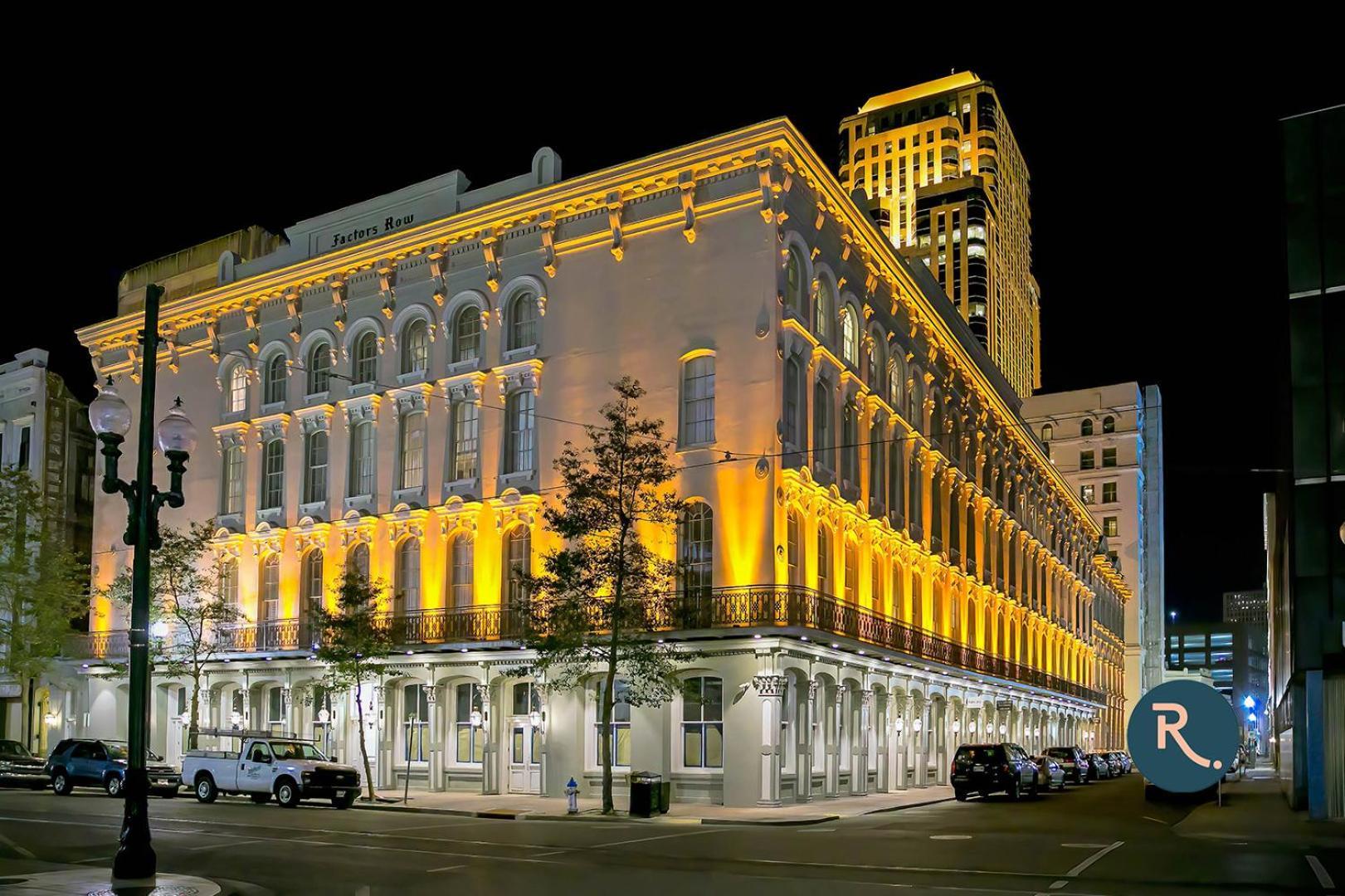
Guests loved: Clean and spacious rooms · Convenient location
Faubourg Marigny and Frenchmen Street: the Local Music Scene
The Marigny is where New Orleanians go to hear music, which makes it where you should go too, just downriver of the Quarter, built around Frenchmen Street's row of jazz clubs. The Spotted Cat, Snug Harbor and the Maison run live jazz and brass every night, the bars stay open late, and the Marigny/Bywater cottages are postcard pretty. It feels like a neighborhood, not an attraction.
Think of it as Bourbon Street's cooler, quieter cousin, same city, fewer hand grenade cocktails.
Beyond the music, the Marigny is all shotgun cottages painted in colors a crayon box would envy, with Washington Square for a lazy afternoon and the Crescent Park bridge for a river view the tour buses miss. It is a short, scenic walk from the Quarter, and a long way from it in spirit.
Hotels are scarce here, so the practical base is the Hotel Provincial, a family run courtyard hotel on the calm Esplanade edge of the Quarter. It is a few minutes' walk from Frenchmen, with a couple of pools and a resident ghost story, because of course it has one.
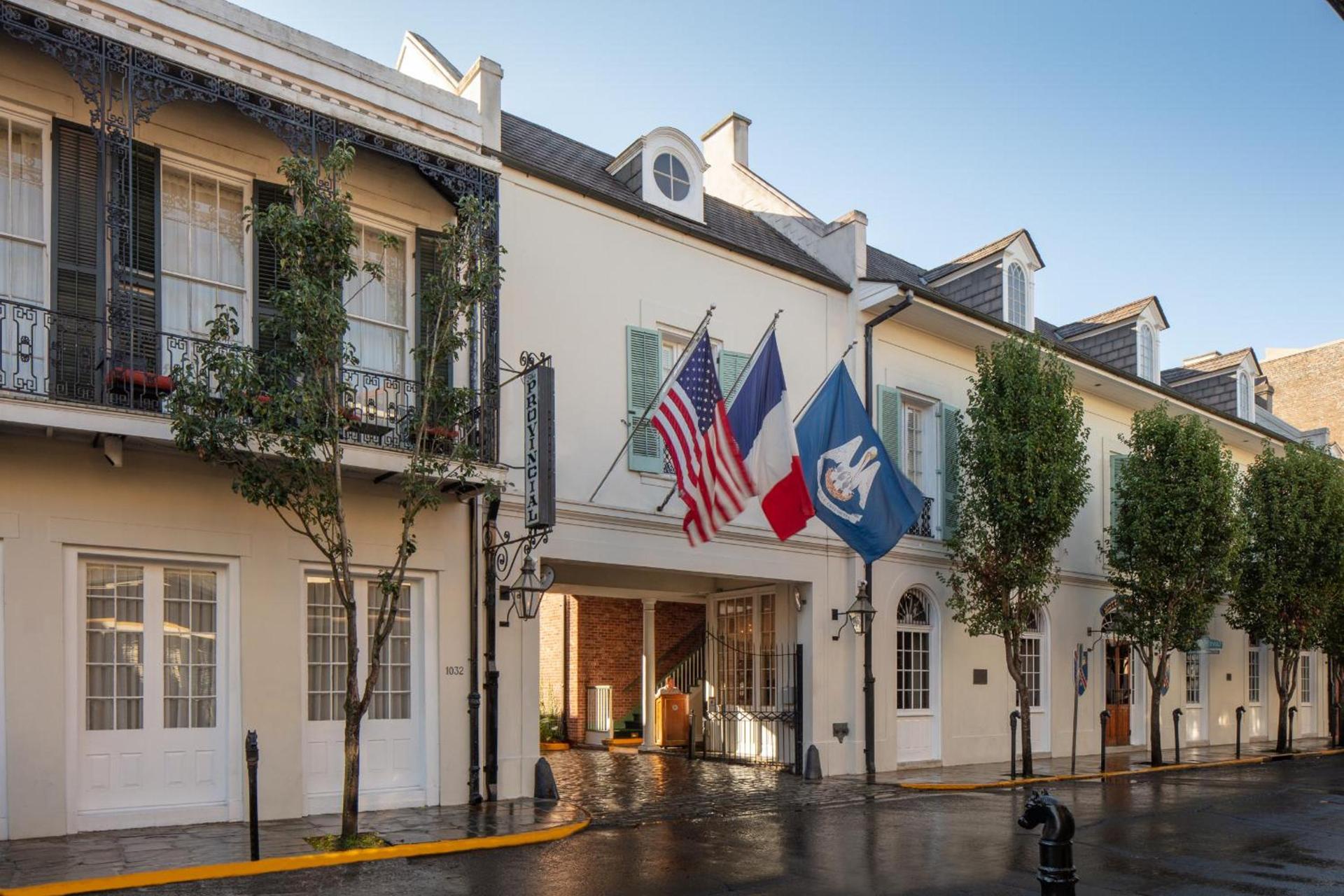
Guests loved: Excellent location · Friendly staff
The Garden District and Uptown: Mansions, Magazine Street and the Streetcar
This is where New Orleans goes to be quiet, antebellum mansions, manicured gardens, and the kind of calm the Quarter only manages around 6 a.m. You reach it on the St. Charles Avenue streetcar, rattling along since the 1830s at roughly the speed of a brisk walk, with Magazine Street's six miles of boutiques and po boys within walking distance. It is where to stay in New Orleans when you actually want to sleep.
Commander's Palace serves the city's grand turtle soup, Audubon Park sits further Uptown, and even Lafayette Cemetery keeps its tombs above ground, New Orleans buries up, because the water table votes no.
Magazine Street is the other reason to base here, six miles of indie boutiques, coffee shops and restaurants that locals actually frequent, with none of the Quarter's daiquiri to go energy. Spend a morning walking it and you will see why people who've done New Orleans twice quietly move Uptown.
The Alder Hotel, Uptown near the universities, is the value friendly base for a quiet stay among the oaks. It sits well off the tourist track, which is the appeal and the catch in equal measure.

Guests loved: Friendly staff · Great location
The St. Charles Coach House sits right on the streetcar line in the Lower Garden District, an easy roll to the mansions and downtown alike. You trade some square footage for the address, and the streetcar at your door makes that a good trade.

Guests loved: Friendly staff · Convenient location
Bayou St. John, City Park and Mid-City
Out by City Park, Mid-City is the local, leafy option, a residential pocket a streetcar ride from the Quarter, where the rates drop and the tourists thin out. City Park itself is the draw, bigger than Central Park, with ancient live oaks, the Besthoff Sculpture Garden, and the New Orleans Museum of Art at its edge. The bayou is good for a paddle or a jog, and the Mid-City restaurants are where locals actually eat.
The park even hides a second Cafe du Monde with no line, and Parkway Bakery nearby serves a roast beef po boy that qualifies as a religious experience. Jazz Fest takes over the Fair Grounds here each spring, so a stay in Mid-City can put you in the thick of it.
It is a repeat-visitor's neighborhood, which is a polite way of saying you will be ordering a lot of rideshares.
Search Mid-City and City Park stays
Where Not to Stay in New Orleans, and Staying Safe
The simple rule, keep your hotel inside the tourist corridor, the French Quarter, CBD, Warehouse District, Marigny and the Garden District, and treat everywhere else as a place to visit by day, not sleep. Parts of Central City, Tremé and the edges of Mid-City have higher crime and are not set up for visitors. A too cheap room outside the corridor is usually cheap for a reason, so check the cross streets before a bargain rate talks you into it.
None of this should scare you off, the tourist neighborhoods are busy and fine with normal city sense. Just take a rideshare back after a late night instead of a long walk, and pin the exact address before you book.
A few habits cover the rest, keep your phone in your pocket on a crowded Bourbon Street, see the famous above ground cemeteries on a guided tour rather than solo, and do not let a parade crowd separate you from your group. None of it is special to New Orleans, it is just big city common sense with better music.
Search central New Orleans hotels by exact location
The Best Area for Your Trip
For a first trip, pick the French Quarter and do not overthink it. For everything else, weigh your options and match the area to the trip you are actually taking, the table below is the fast version.
- 1Start with the trip you are takingA first visit points to the French Quarter for atmosphere and walkability. A quieter, better value night points to the CBD next door.
- 2Match the area to your interestMuseums and galleries suit the Warehouse District, live music suits the Marigny, and a calm, leafy stay suits the Garden District.
- 3Pick the right block, not just the areaIn the French Quarter, book toward Royal, Chartres or Esplanade to stay away from the Bourbon Street noise.
- 4Keep inside the tourist corridorStay within the French Quarter, CBD, Warehouse District, Marigny or the Garden District, and treat everywhere else as a place to visit by day.
- 5Then book the hotel for your exact datesRates swing hard with the calendar, so search your real travel dates rather than trusting a stamped price.
| Your trip | Best area | Why |
|---|---|---|
| First visit, atmosphere | French Quarter | Walkable, historic, the center of it all |
| Value and a quiet night | CBD | Modern rooms, a short walk to the Quarter |
| Museums and galleries | Warehouse / Arts | The WWII Museum and Julia Street |
| Live music, local feel | Faubourg Marigny | Frenchmen Street's jazz clubs |
| Calm, couples, repeat trip | Garden District | Mansions, Magazine Street, the streetcar |
Once you have matched an area to your trip, here are real, well reviewed New Orleans hotels across the price range, guest scores as of 2026, no stamped prices, because the rates move daily.
| Hotel | Area | Guest score | Best for |
|---|---|---|---|
| Chateau Hotel | French Quarter | 9.6 | Courtyard value |
| Alder Hotel | Uptown | 9.4 | A quiet, leafy base |
| Cambria Warehouse District | Warehouse | 9.4 | Museums and galleries |
| NOPSI Hotel | CBD | 9.2 | A rooftop-pool landmark |
| Hotel Monteleone | French Quarter | 9.2 | The historic grande dame |
| Drury Plaza | CBD | 9.2 | Central value |
| The Royal Sonesta | French Quarter | 9.0 | Right on Bourbon Street |
Compare every New Orleans hotel by area and price
How Many Days, and a First-Timer's New Orleans
Give New Orleans three to four days, enough for the Quarter, a music night, the Garden District and a museum, plus the food, which is the actual reason you came. Two nights covers the highlights. A week lets you add a swamp tour or a lazy second line Sunday. Here is the first timer template,
Day one, the French Quarter. Beignets at Cafe du Monde, a wander through Jackson Square, lunch at a classic like Galatoire's, and the evening on Frenchmen Street for live jazz.
Day two, the Garden District. Take the streetcar for the mansions and Magazine Street, dinner at Commander's Palace, then the WWII Museum back in the Warehouse District.
Day three, your pick. A swamp tour, the City Park sculpture garden, a cemetery tour, or simply more eating, which counts as a full itinerary here.
More time? Add a River Road plantation, a Cajun swamp tour out toward the bayou, or, if you luck into one, a Sunday second line parade. Just follow the brass band and the dancing. It is a moving block party that adopts anyone who shows up.
One local tip, lunch is the smart move for the famous restaurants, cheaper, and an easier table. The hot afternoon is for hiding indoors, and the city wakes up again after dark. Plan to nap like you mean it.
Find a central base for your New Orleans trip
When to Visit New Orleans
The sweet spot is spring and fall, roughly February through May and October into December, when the weather is mild and the festival calendar is stacked. The marquee events come with marquee prices, Mardi Gras, French Quarter Fest and Jazz Fest book hotels out months ahead. Mardi Gras is not even one day, it is a two week parade season that ends on Fat Tuesday and moves with Easter, so check the calendar before you commit.
Summer is hot, wet and unapologetically tropical, with afternoon storms you can set a watch by. It is the cheapest stretch if you can take the humidity, though it overlaps hurricane season from June through November. A linen shirt and a standing plan to be indoors by midafternoon are the whole survival kit.
For mild days and no event surge, aim for late October or November, the quiet stretch the locals keep to themselves.
Search New Orleans hotels for your travel dates
Getting Around New Orleans
Skip the rental car. The Quarter is walkable, the streetcars cover the Garden District, and rideshares mop up the late nights, a car here is mostly a parking bill with extra steps. A central base does the rest, the St. Charles streetcar handles the Garden District and Uptown, the Canal and Riverfront lines cover downtown, and Louis Armstrong airport (MSY) is about 30 minutes out by rideshare or shuttle.
That St. Charles line has run since 1835, the oldest continuously operating streetcar in the United States, and a sightseeing ride in its own right. And yes, the to go cup is legal here, so your drink is welcome aboard.
Blue Bikes are scattered around for short hops, and the Algiers ferry is the cheapest river cruise going, a few minutes across the Mississippi, a skyline both ways, and your dignity fully intact.
Walk the Quarter, but respect the sidewalks, which were last level around the Eisenhower administration. After a late night on Frenchmen or Bourbon, take a rideshare. Rent a car only for a day trip to the swamps or the plantations.
- 1Fly into MSYLouis Armstrong airport is about 30 minutes from downtown by rideshare or airport shuttle, no rental car needed for a city trip.
- 2Skip the carThe French Quarter is walkable and parking is pricey and scarce. A car is a liability on the narrow one way streets. Rent only for swamp tours or plantations.
- 3Streetcars and rideshareThe historic St. Charles line runs to the Garden District and Uptown. The Canal and Riverfront lines cover downtown. Rideshares fill the late night gaps.
Find a central New Orleans base near the streetcar
What a Night in New Orleans Costs
Most of the year, New Orleans is mid priced, a solid central room usually runs $120 to 200. But the calendar runs the show, a Mardi Gras or Jazz Fest weekend can double or triple that without blinking. Weekdays and the quiet summer weeks are where the value hides. Festival weekends are where it goes to die.
Book the big events months ahead or skip them, and search your exact dates either way, a stamped number in a blog is fiction by checkout.
- 1The hotel's rateWhat the hotel charges us for the room.
- 2One small flat feeThe same fee for everyone, never set from your data.
- 3The price you seeAll in and shown up front. No surprises at the last screen.
Here is our part of the bill, in plain English, you pay what the hotel charges us, plus one small flat fee, the same for everyone, never set from your device or your search history. The price is all in and shown up front, with nothing waiting to pounce on the last screen.
Search live New Orleans prices
Whichever area wins, the price you book here is the same one everyone else sees, no surveillance pricing, no fake "deal," no fee lurking on the last screen. Browse the full New Orleans hotels hub for every property, and if the South has you planning more, where to stay in Savannah is a fine next stop east.
See live New Orleans prices — one honest number, the same for everyone.
See New Orleans pricesReady to look at New Orleans stays?
One honest price — the rate plus one small flat fee, the same for everyone.
Search New Orleans hotelsFrequently asked questions
- What is the best area to stay in New Orleans for first time visitors?
- The French Quarter. It is the walkable, historic center of the city, you are steps from Jackson Square, St. Louis Cathedral, Royal Street's antiques, the best restaurants and the music, and you can leave the car behind entirely. The Central Business District next door is the quieter, better value alternative for a first trip, still within an easy walk of everything.
- Is the French Quarter a good place to stay, and is it noisy?
- It is the best base for a first visit, but the noise depends entirely on the block. Bourbon Street and the few streets around it run loud and late every night. Two or three blocks toward Esplanade or the river, the lower Quarter, is historic, residential and quiet. If you want the atmosphere but plan to sleep, book away from Bourbon and toward Royal, Chartres or Esplanade.
- Where should you avoid staying in New Orleans?
- Most visitors are happiest keeping their hotel within the tourist corridor, the French Quarter, CBD, Warehouse District, Marigny and the Garden District. Areas like parts of Central City, Tremé and the edges of Mid-City have higher crime and are not set up for visitors, so they are not where you want a hotel. As anywhere, the bigger rule is to take a rideshare rather than walk unfamiliar blocks late at night.
- Do you need a car in New Orleans?
- No, and a car is more hassle than help. The French Quarter and CBD are walkable, the historic streetcars run to the Garden District and Uptown, and rideshares are cheap and quick for everything else. Hotel parking is pricey and the narrow one way streets are a chore. Rent a car only for day trips out to the swamps or the plantations.
- What is the best area to stay in New Orleans on a budget?
- The Central Business District and the edges of the French Quarter have the most well located rooms under about $130 a night, and the value climbs further if you base in Mid-City or Uptown and ride the streetcar in. Rates swing hard with the calendar, though, a cheap weekend can triple over Mardi Gras or [Jazz Fest](/blog/new-orleans-jazz-fest), so search your exact dates.
- Which is better, the French Quarter or the Garden District?
- It depends on the trip. The French Quarter puts you in the middle of the action, the music, the food, the history, at the cost of noise and crowds. The Garden District is the opposite, leafy, residential, lined with mansions and [Magazine Street](/blog/magazine-street-new-orleans)'s shops, calm at night, but a 15-minute streetcar ride from the Quarter. First timers usually want the Quarter. Repeat visitors often prefer the Garden District.
- When is the best time to visit New Orleans?
- Spring and fall, roughly February through May and October through early December, bring the best weather and the festival calendar (Mardi Gras, French Quarter Fest, Jazz Fest), though the marquee events spike prices and crowds. Summer is hot, humid and stormy, with the lowest rates, and hurricane season runs June through November. For mild weather without a major event, aim for late October or November.
- How many days do you need in New Orleans?
- Three to four days is the sweet spot, enough for the French Quarter, a music night on Frenchmen Street, the Garden District and the WWII Museum, plus a swamp tour or a long lunch without rushing. Two nights covers the headline food and the Quarter. A longer stay lets you add the plantations, City Park or a second line Sunday.
Related guides
- 3 Days in New Orleans: A First-Timer's Itinerary (2026)How to spend 3 days in New Orleans without wasting a minute. An honest, hour by hour itinerary, the French Quarter on Day 1, the Garden District and the WWII Museum on Day 2, a swamp and a plantation on Day 3, plus where to eat and where to sleep. As of 2026.
- Is New Orleans Safe? Essential 2026 Tips & Areas to AvoidIs New Orleans safe? Mostly yes, a local grade guide to the safe neighborhoods, the blocks to skip, the French Quarter at night, the scams, and how not to be the easy target, as of 2026.
- New Orleans Mardi Gras Hotels: Best Places to Book Now (2027)The honest guide to booking a hotel for Mardi Gras 2027 in New Orleans. Where the parades actually roll, the best areas and real hotels for each, what a room costs during the surge, and how to lock a fair rate early. As of 2026.
- French Quarter New Orleans: A Complete Visitor Guide (2026)Everything for a first visit to the French Quarter in New Orleans, the Vieux Carré. What to do, the streets to walk, where to eat and sleep inside it, the Spanish history behind the French name, and how safe it really is. As of 2026.