Is New Orleans Safe? Essential 2026 Tips & Areas to Avoid
By Gilson Tonin, MBA · Founder of travelpluscost
June 27, 2026 · 12 min read
Search New Orleans stays
One honest price — the rate plus one small flat fee, the same for everyone, on any device.
Photo: French Quarter, New Orleans
Check prices for these dates
Top-rated stays in New Orleans
One honest price — the rate plus one flat fee, the same for everyone
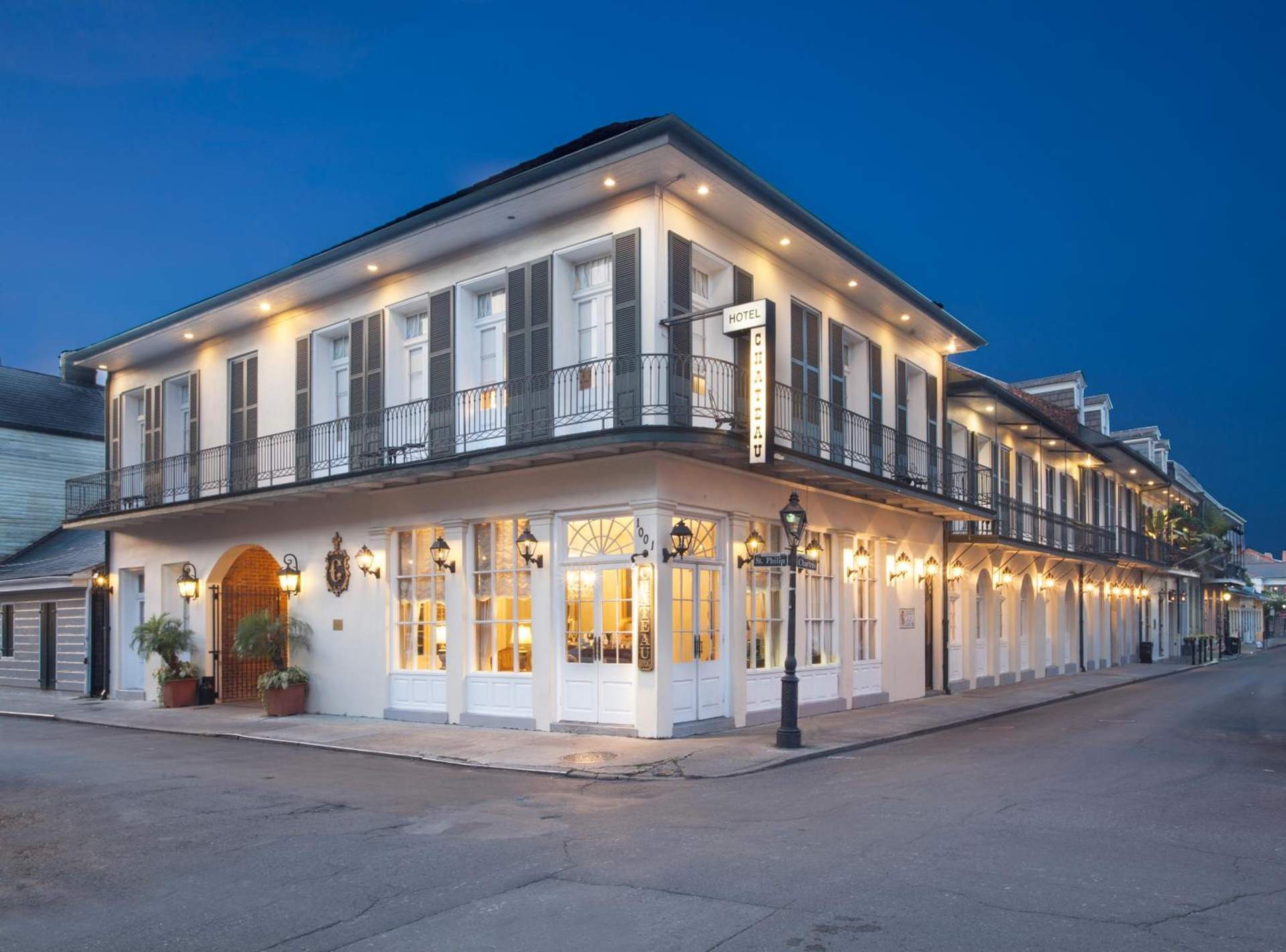
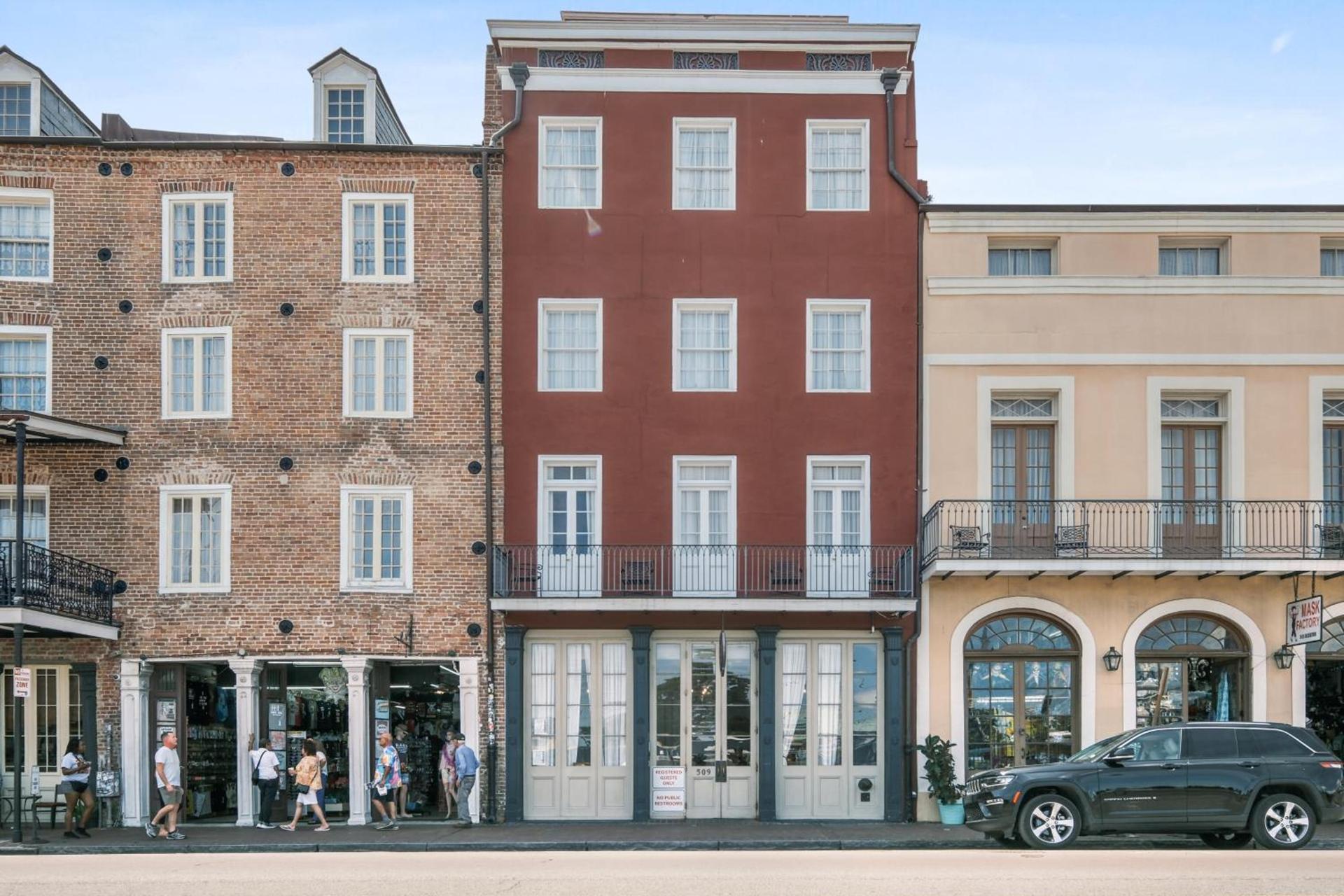
Chateau Hotel
New Orleans, Louisiana
ParkingAir conditioning

New Orleans Marriott Warehouse Arts District
New Orleans, Louisiana
GymParking

Maison Metier, in the Unbound Collection by Hyatt
New Orleans, Louisiana
EV chargingParking
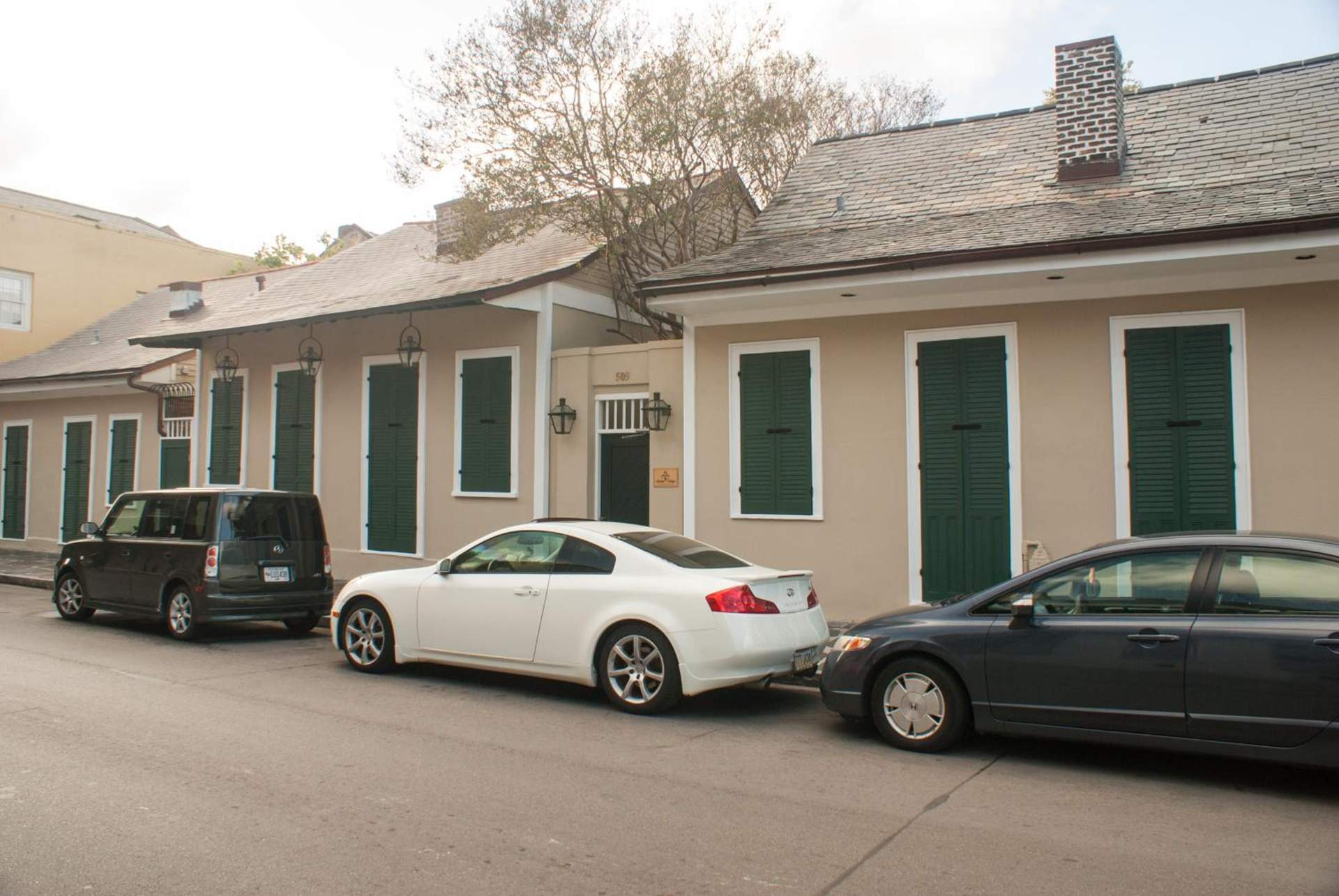
Audubon Cottages
New Orleans, Louisiana
ParkingAir conditioning
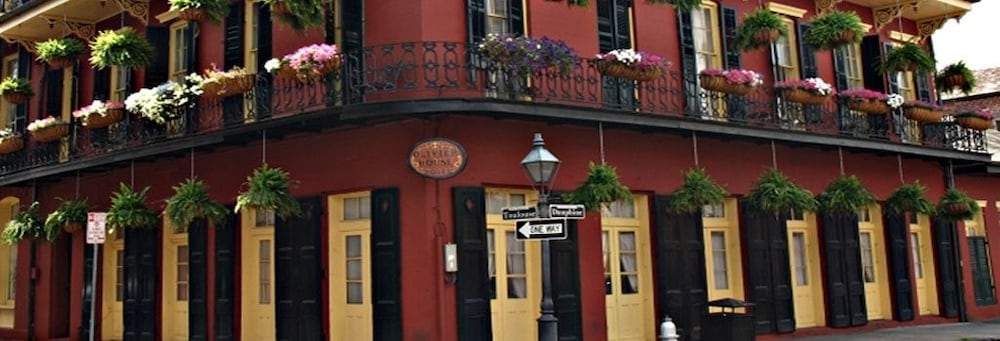
The Olivier House Hotel
New Orleans, Louisiana
Free WiFiAccessible

Travelers New Orleans
New Orleans, Louisiana
Air conditioning
The short answer
Yes, New Orleans is broadly safe for visitors, especially in the tourist corridor (the French Quarter, Garden District, CBD, Marigny and Bywater). Violent crime has fallen sharply since 2023, and most of it never touches tourists. Your real risks are pickpockets, a few classic scams, and a handful of blocks to avoid after dark.
- Safest base, the French Quarter is the most policed, safest neighborhood, day or night.
- Avoid, Central City, Desire, the Upper Ninth Ward and Hollygrove, especially after dark.
- The real risk, pickpockets and scams, not violence. Keep your wallet in a front pocket.
- Night move, take a rideshare back, stay on lit main streets, skip empty side blocks.
- Worth it, emphatically yes. Do not let headlines talk you out of a great city.
Is New Orleans safe? Yes, broadly, and safer every year, as long as you keep your wits about you and your wallet in a front pocket. The city you have seen in scary headlines and the city a visitor actually experiences are two different places, and the gap between them is mostly a few neighborhoods you were never going to visit anyway.
Here is the honest, local grade safety guide, updated for 2026, covering the safe areas, the blocks to skip, the French Quarter after dark, the scams, and how not to be the easy target. Yes, New Orleans is generally safe for a visitor who uses a little common sense. On average, the worst thing the typical traveler takes home is a hangover and a beignet habit.
The short version, most crime here does not involve tourists, the tourist corridor is heavily policed, and your biggest real risk is a pickpocket or a daiquiri you do not remember ordering.
Is New Orleans Safe? The Honest Answer
New Orleans has a rough crime reputation, and the statistics that earn it are real, but they are almost entirely about residents and disputes in neighborhoods far from Bourbon Street. For a visitor who sticks to the tourist corridor, it is normal big city safe.
The trend is also pointing the right way. Violent crime has fallen sharply since 2023, and the police presence in the Quarter and downtown was stepped up further after a January 2025 incident, so the most visited blocks are more patrolled than ever.
None of that means you switch your brain off. It means you use the same approach you would use in any big city, know which blocks are which, do not flash valuables, and take a rideshare instead of a long walk at 2 a.m. Do that, and the scariest thing you will meet is the dinner bill at Commander's Palace.
A lot of the city's fearsome reputation is also a hangover from the chaos that followed Hurricane Katrina back in 2005. Two decades on, the New Orleans a visitor actually meets is a very different, and much safer, place than the one that moment froze in the national memory.
Crime in New Orleans, in Context
New Orleans does carry a high crime rate by the numbers, but those crime rates are concentrated in residential neighborhoods, not the tourist areas. Like a lot of cities in the United States, it has a real divide between the blocks visitors see and the ones they never will.
The two crimes a tourist might actually brush up against are petty theft, pickpocketing in a crowd, and the rare opportunistic robbery on a quiet, dark street late at night. Violent crime against visitors inside the corridor is uncommon, and the trend since 2023 has been firmly down.
So read the crime stats as a map of where the locals' problems are, not a forecast of your weekend. Stay aware of your surroundings, exercise the normal caution you would in any big city, particularly after dark, keep an eye on the busy areas, and the numbers stop being about you.
The Safest Neighborhoods: French Quarter, Garden District and the CBD
The safest place to be in New Orleans is, conveniently, right where you will want to stay anyway, the tourist areas of the French Quarter, the CBD, the Garden District, and the Marigny and Bywater. These areas are well lit, busy at most hours, and carry the heaviest police presence in the city.
The French Quarter is, a little ironically, the single safest neighborhood, there are simply too many people and too many officers for much to happen. The Garden District and Uptown are quiet, leafy and residential, while the CBD is downtown safe with modern hotels a short walk from the action.
The Marigny and Bywater, just downriver, are where locals go for the nightlife and live music, bohemian, walkable and generally safe, with the usual note to stick to the busier streets after dark. Wherever you land in this corridor, you are choosing a vibe, not trading away safety.
Booking inside this corridor is basically the entire safety strategy, so it is worth doing on purpose. A few well placed bases,
The Hotel Monteleone drops you in the heart of the French Quarter, with a doorman and the busiest, best lit blocks at your feet.
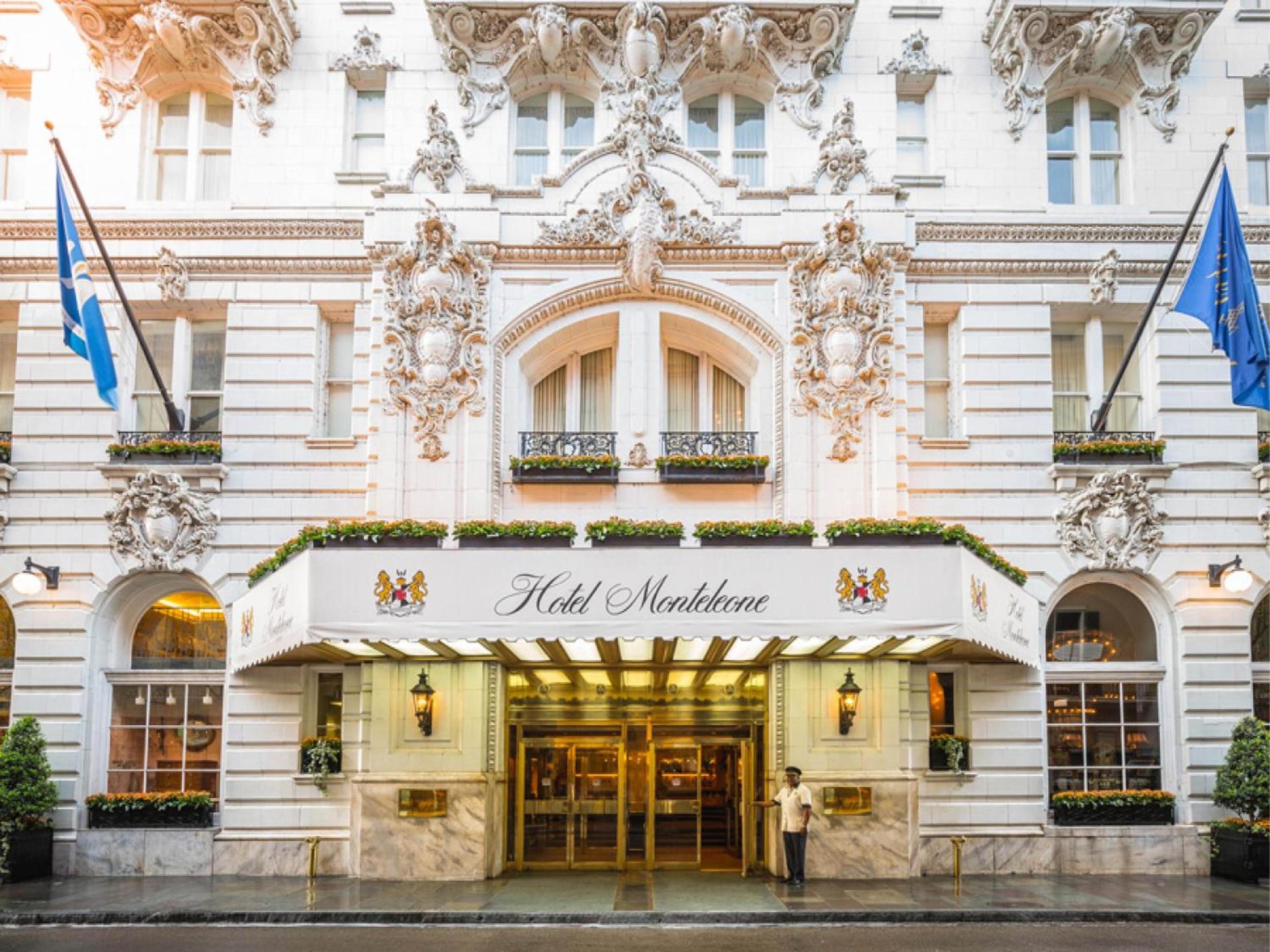
Guests loved: Exceptional service · Great location
The NOPSI Hotel anchors the CBD, modern, central, and a calm, well policed walk from the Quarter.
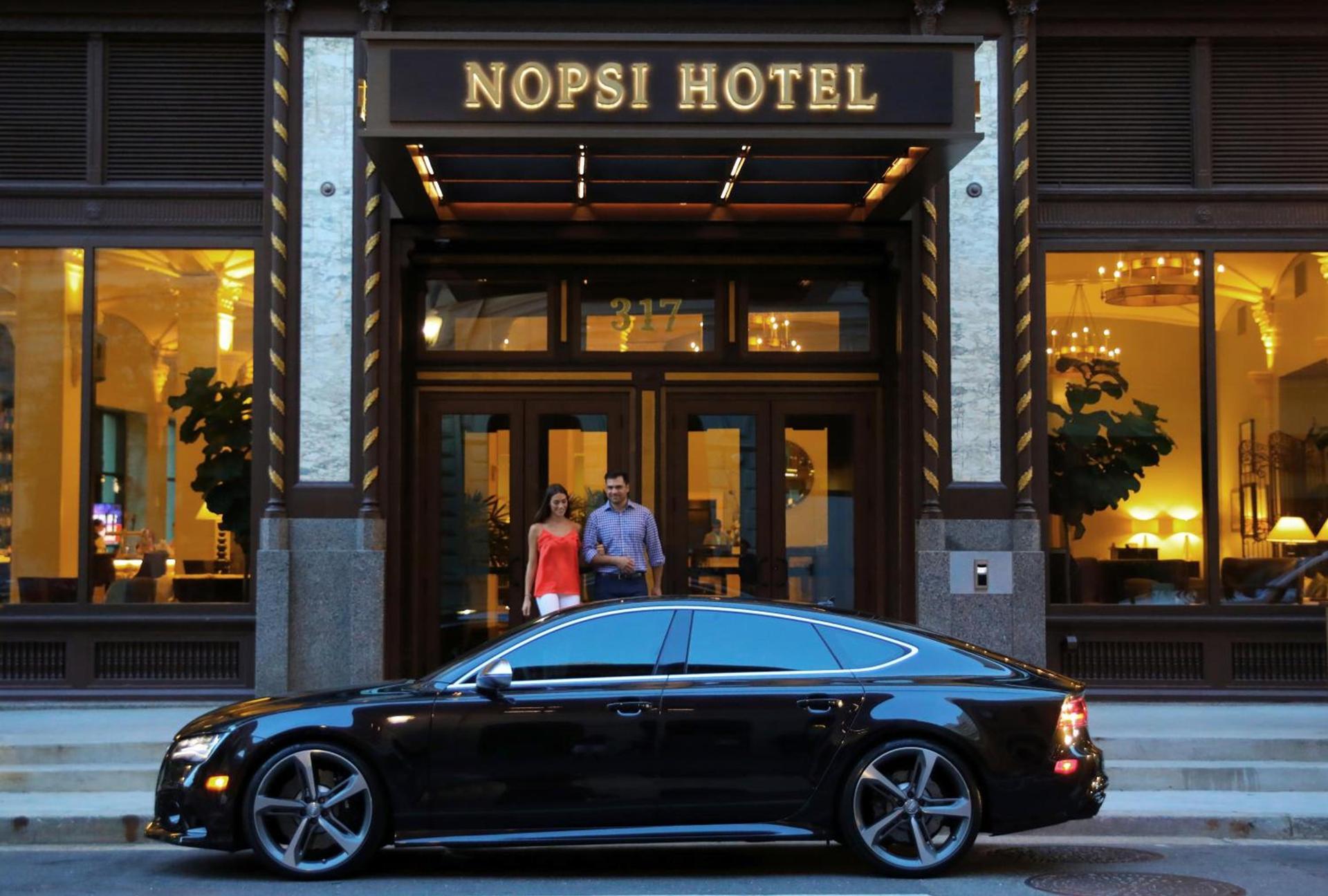
Guests loved: Great location · Friendly staff
For the leafy quiet of Uptown, the Alder Hotel sits among the universities, about as low key as New Orleans gets.

Guests loved: Friendly staff · Great location
For the full breakdown by area and budget, see our guide to where to stay in New Orleans.
Staying inside this corridor puts you within walking distance of the city's best food, music and culture, which is the whole point of coming. It also keeps you in the relatively worry free part of town, so getting around, particularly at night, is a short, well lit walk or a two minute rideshare rather than a gamble. The corridor's hotels and streetcars offer easy access to almost everything worth seeing, and you can always get home safely.
Areas to Avoid: Central City, Desire and the Upper Ninth
The areas to avoid, Central City, the Desire area, the Upper Ninth Ward and Hollygrove, sit well outside the tourist corridor and are not set up for visitors. They carry the bulk of the city's violent crime, have few attractions, and are simply not where you want a hotel.
The catch for travelers is that some of them border the nice parts, so a suspiciously cheap downtown rate can quietly sit on the wrong side of a line. Pin the exact address before you book, and check the cross streets, a hotel a few blocks the wrong way from Canal Street is a different trip than one on it.
None of these are no go zones to fear, and plenty are ordinary residential streets going about their day. But they are not tourist areas, there is nothing in them for a visitor, and they are not worth walking alone through to save twenty dollars on a room. When a downtown rate looks too good to be true, the cross streets are usually why.
Search central New Orleans hotels by exact location
Is the French Quarter Safe, At Night, Too?
The French Quarter is the safest neighborhood in New Orleans, day or night, though "safest" still means a city, not a cruise ship. By day it is about as benign as a theme park with much better food, anchored by the busy tourist beats including Jackson Square, the French Market, Royal Street's galleries and the Decatur Street cafés.
Those crowds are exactly why it is safe, there are too many people and too many officers around for much to happen on the main drags. The mounted police, foot patrols and sheer foot traffic make the central Quarter one of the most watched over patches of the city. For everything to do, eat, and see there, our full French Quarter New Orleans guide covers the whole neighborhood.
After dark it stays busy and patrolled, especially around the main streets and the Square. The move is simple, stay on the well lit, populated blocks and skip the empty side streets and alleys, which exist even here.
The lower Quarter toward Esplanade goes quiet and residential late, so if you are walking back, keep to Royal or Chartres rather than a dark cross street. Use the awareness you would anywhere, glance up from your phone, know roughly where you are headed, and you will be part of the crowd rather than the easy mark.
Is Bourbon Street Safe?
Bourbon Street is safe in the sense that you are never, ever alone on it, which is also the catch. The same crowds that make it a spectacle are a pickpocket's natural habitat, and the open container, hand grenade cocktail energy means the biggest risk is usually your own judgment.
Keep your phone and wallet in a front pocket, do not set a drink down and walk away from it, and do not follow a "deal" or a stranger off the main drag. Treat the street as a show to enjoy with one hand on your stuff, not a place to lose your group at 1 a.m.
The specific moves to watch are the spilled drink distraction, someone bumps you, apologizes, and lifts your wallet in the fuss, and the side street "after party" invite that leads somewhere you would rather not be. Stay on Bourbon proper and keep your group together, and the chaos stays a spectacle instead of a story for your bank.
Common Scams and Petty Crime
Petty crime, pickpocketing and a few classic hustles, is what actually trips up visitors, not violence. The most famous is the "I bet I know where you got your shoes" line, which ends with a stranger explaining that the answer (on your feet, on this street) has earned him a tip.
You will also meet fortune tellers, three card monte tables, and "free" anything that is not. None of it is dangerous, but all of it is built for a distracted tourist.
A few more to file away, unofficial "guides" who attach themselves to you near Jackson Square and expect cash, bars with no posted prices that produce an eye watering tab, and the standing advice to use ATMs inside a bank or hotel rather than the standalone ones on Bourbon. The defense for all of it is just attention, keep moving, keep a hand on your bag, and be a little wary of overly friendly strangers. Treat the extra few dollars for a rideshare or a guided tour as the small price of enjoying the city's street life without becoming part of someone's hustle.
Treat New Orleans like the major city it is, not a theme park, not a war zone. Stay central, keep your wits, and the worst surprise you will get is how much you spent on oysters.
Is New Orleans Safe for Solo Female Travelers and Families?
Both, with small adjustments. Solo travelers, women included, visit New Orleans without trouble all the time, and the city's walkability and friendliness make it an easy place to wander alone by day.
The same precautions that work anywhere work here, keep someone posted on your plans, avoid walking alone on empty streets late, and trust your read on a situation. At night the solo move is everyone's move, rideshare back, stay on lit streets, mind your drink.
Families have an even simpler trip, since the Quarter by day, the aquarium, City Park and the riverfront are all well trafficked and kid friendly. The only adjustment is Bourbon Street after dark, which becomes a grown up party, do the Quarter in daylight, base a couple of blocks off it, and everyone sleeps.
New Orleans Safety Tips: How to Stay Safe
The whole safety playbook fits into a handful of habits, and none of them will dent your trip. Take a rideshare back after a late night instead of a long walk, it is cheap, quick, and the single best safety habit in this city.
Keep your valuables in a front pocket, do not flash cash or a phone on a crowded street, and pin your hotel's exact address before you book. Visit the famous above ground cemeteries on a guided tour rather than wandering them solo, and mind your drink on Bourbon Street.
A couple of local tips round out the list, keep your group together in a parade crowd, where it is easy to get separated, and carry a little cash for the cash only spots and for tipping the brass band. These are small habits, not a security detail, the city rewards a relaxed visitor, just not an oblivious one.
Trust the same instincts you would use in any big city, and you have covered it. That is genuinely the list.
- 1Base in the corridorFrench Quarter, Garden District, CBD, Marigny or Bywater.
- 2Rideshare after darkSkip the long late walk, it is cheap and quick.
- 3Valuables in a front pocketDo not flash cash or a phone in a crowd.
- 4Mind your drinkDo not set it down and walk away on Bourbon Street.
- 5Trust your gutTreat any unprompted approach as a sales pitch.
Do You Need Travel Insurance for New Orleans?
You do not need travel insurance to stay safe in New Orleans, but for a bigger trip it is worth a thought, and it has nothing to do with crime. Travel insurance here is about the prepaid stuff, a cancelled flight, a hurricane that scrubs your weekend, or a medical bill if you take a tumble on a wet Bourbon Street.
For a cheap two night weekend, skip it. For a longer trip with prepaid hotels and flights, especially in the June to November hurricane season, a basic travel policy is cheap peace of mind. Either way, it is a money decision, not a safety one.
So, Is New Orleans Worth Visiting?
Yes, emphatically, and do not let the headlines talk you out of it. Is New Orleans safe enough to be worth the trip? For a visitor with a little big city sense, absolutely, and it would be a shame to skip one of the great American cities over a reputation that no longer fits.
The version that scares people on the evening news is not the version you will meet eating beignets in the Quarter or catching a brass band on Frenchmen Street. Locals will tell you the same thing, the city has its problems, but they are not your weekend.
Treat it like the big, soulful, slightly chaotic place it is, stay central, take rideshares at night, keep your wits, and the only thing you will regret is not booking a third night.
Whichever area you choose, the price you book here is the same one everyone else sees, no surveillance pricing, no fake "deal," no fee waiting on the last screen. Start with our guide to where to stay in New Orleans, or browse the full New Orleans hotels hub and book inside the safe corridor.
See live New Orleans prices — one honest number, the same for everyone.
See New Orleans pricesReady to look at New Orleans stays?
One honest price — the rate plus one small flat fee, the same for everyone.
Search New Orleans hotelsFrequently asked questions
- Is New Orleans safe for solo female travelers?
- Yes, with normal big city precautions. Solo women visit New Orleans without trouble all the time, stay in the tourist corridor, take rideshares at night instead of walking alone, keep an eye on your drink on Bourbon Street, and trust your instincts about any unprompted approach. The same awareness you would use in any major city is enough here.
- Is New Orleans safe for families?
- Yes. The French Quarter by day, the Garden District, the aquarium, City Park and the riverfront are all family friendly and well trafficked. The only adjustment is Bourbon Street after dark, which turns into an adult party, families usually do the Quarter in daylight and base a couple of blocks off it for a quieter night.
- Is Uber and Lyft safe in New Orleans?
- Yes, and rideshares are the recommended way to get around at night, cheaper and safer than a long walk back from Frenchmen or Bourbon. Confirm the license plate and the driver's name before you get in, as you would anywhere, and you are set. A rideshare home is the single best safety habit in this city.
- Is New Orleans LGBTQ+ friendly?
- Very. New Orleans has one of the oldest and most welcoming LGBTQ+ scenes in the South, centered on the lower French Quarter around the Bourbon and St. Ann area and into the Marigny. It is an openly inclusive city with major Pride events, and same sex couples travel here comfortably.
- Is it safe to walk in New Orleans at night?
- On the busy, well lit main streets of the tourist corridor, yes. Avoid empty side streets, alleys and the lower Quarter's quiet residential blocks late at night, and do not walk into the neighborhoods outside the corridor after dark. For anything beyond a few well populated blocks, take a rideshare, it is cheap and quick.
- Is New Orleans a dangerous city?
- It has a high crime rate by the numbers, but that crime is concentrated in specific residential neighborhoods and rarely involves visitors. Violent crime has also dropped sharply since 2023. For a tourist staying in the corridor and using normal city sense, the practical risk is petty crime, not violence, which is true of most big American cities.
- What are the most common scams in New Orleans?
- The classic is the 'I bet I know where you got your shoes' hustle (the answer, on your feet, on this street, costs you a tip). You will also see fortune tellers, three card monte tables, and 'free' offers that are not. None are dangerous. They target distracted tourists, so the defense is simply to keep moving and treat any unprompted approach as a sales pitch.
Related guides
- Where to Stay in New Orleans: Best Areas & Hotels (2026)First trip or fifth? A plain English guide to picking the right New Orleans neighborhood, by atmosphere, noise, safety, and the trip you are taking, as of 2026.
- 3 Days in New Orleans: A First-Timer's Itinerary (2026)How to spend 3 days in New Orleans without wasting a minute. An honest, hour by hour itinerary, the French Quarter on Day 1, the Garden District and the WWII Museum on Day 2, a swamp and a plantation on Day 3, plus where to eat and where to sleep. As of 2026.
- Haunted New Orleans: Ghost Tours, Cemeteries & Haunted HotelsThe honest guide to haunted New Orleans. The real history behind the ghosts, the Cities of the Dead and how to visit them respectfully, the ghost tours worth taking, and the famously haunted hotels you can actually book. As of 2026.
- French Quarter New Orleans: A Complete Visitor Guide (2026)Everything for a first visit to the French Quarter in New Orleans, the Vieux Carré. What to do, the streets to walk, where to eat and sleep inside it, the Spanish history behind the French name, and how safe it really is. As of 2026.