Best Time to Visit New Orleans: Weather, Festivals & Crowds
By Gilson Tonin, MBA · Founder of travelpluscost
June 27, 2026 · 20 min read

Search New Orleans stays
One honest price — the rate plus one small flat fee, the same for everyone, on any device.
Photo: New Orleans
Check prices for these dates
Top-rated stays in New Orleans
One honest price — the rate plus one flat fee, the same for everyone
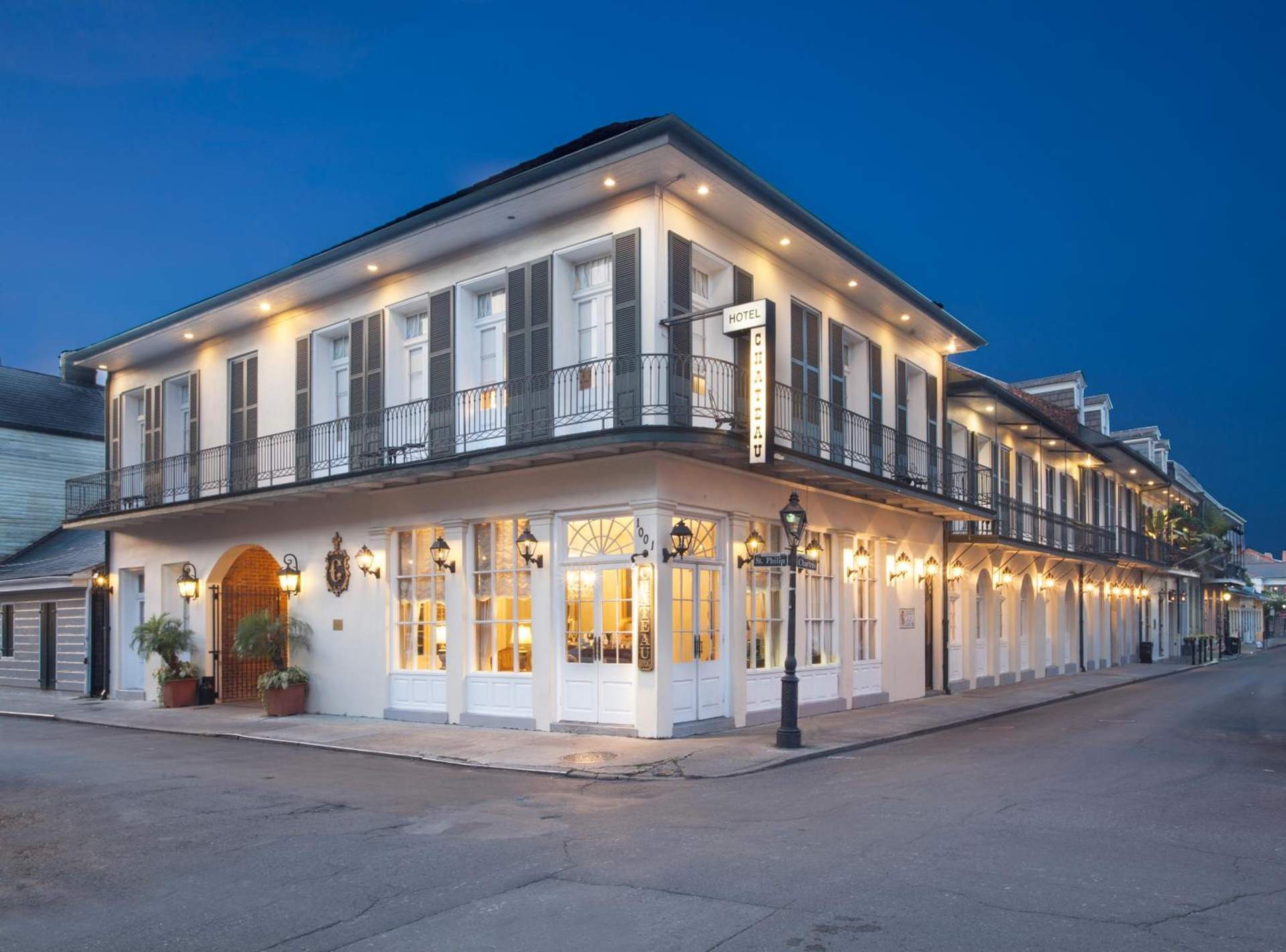
Chateau Hotel
New Orleans, Louisiana
ParkingAir conditioning

New Orleans Marriott Warehouse Arts District
New Orleans, Louisiana
GymParking

Maison Metier, in the Unbound Collection by Hyatt
New Orleans, Louisiana
EV chargingParking
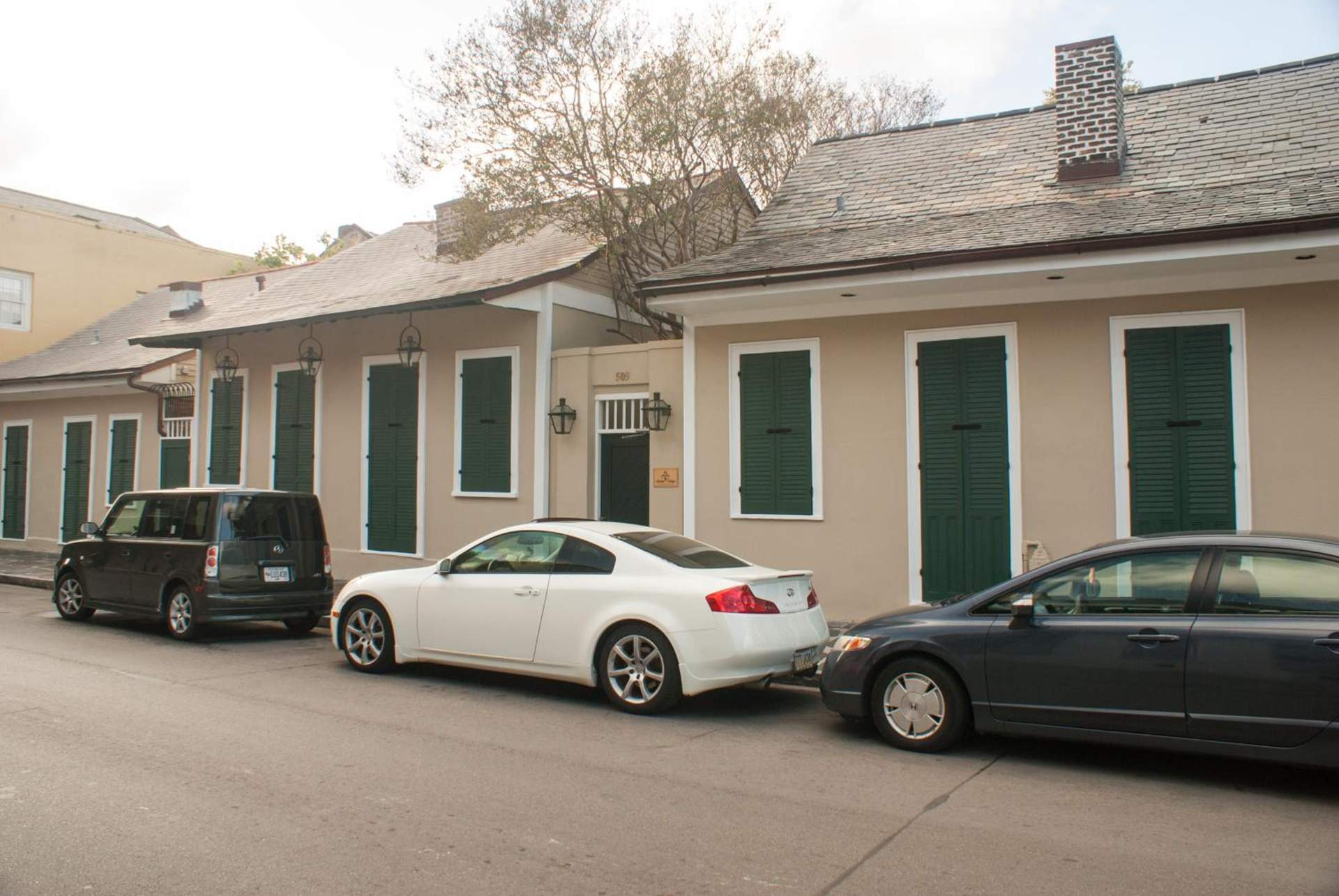
Audubon Cottages
New Orleans, Louisiana
ParkingAir conditioning
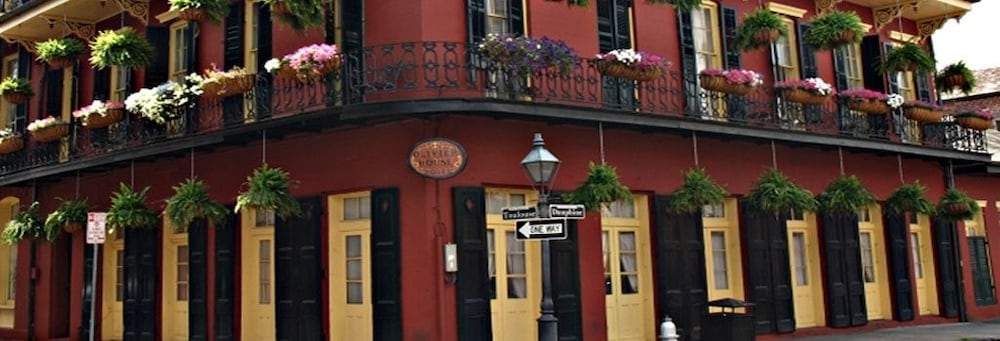
The Olivier House Hotel
New Orleans, Louisiana
Free WiFiAccessible
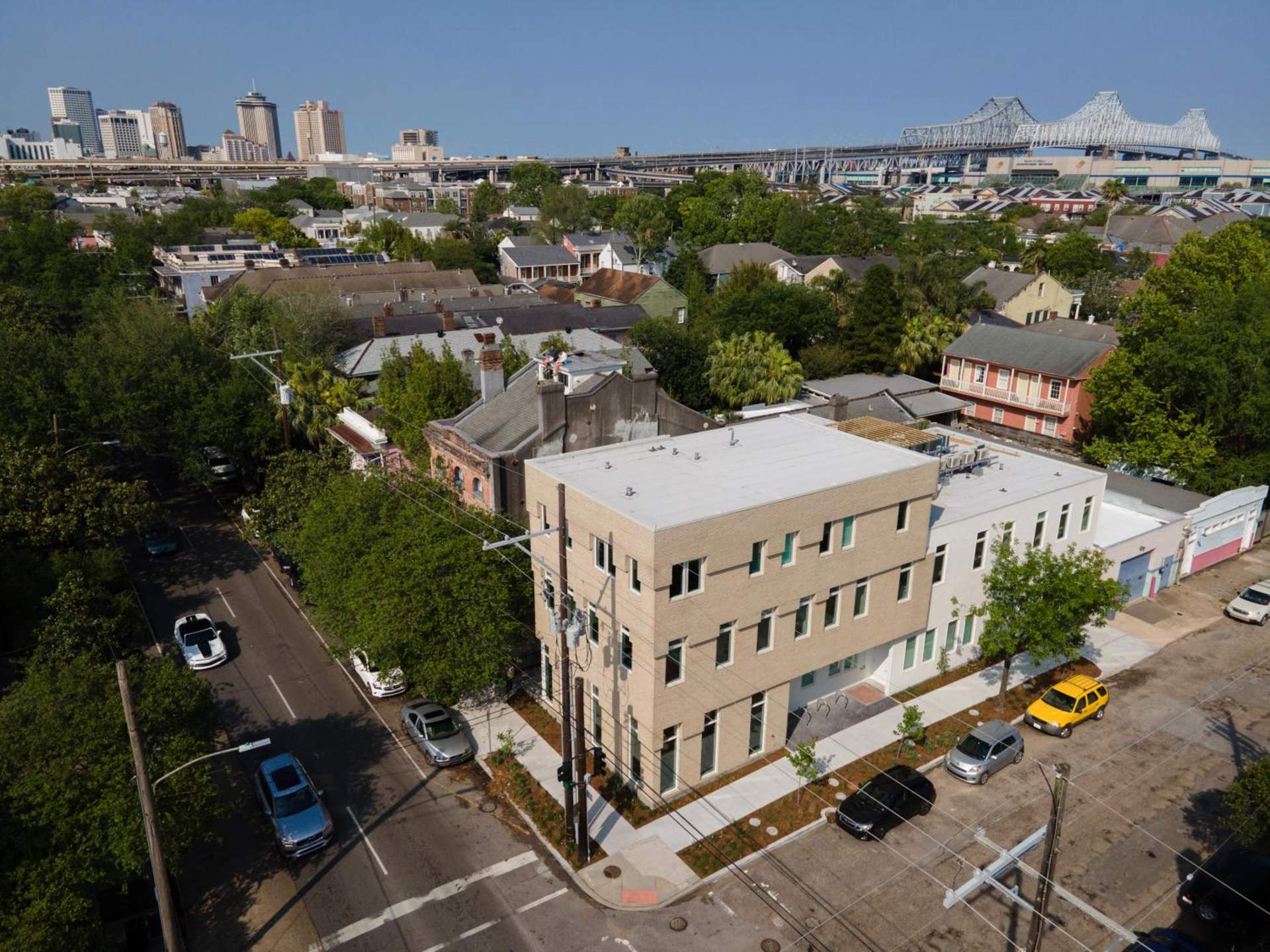
Travelers New Orleans
New Orleans, Louisiana
Air conditioning
The short answer
October and November bring the best weather (crisp 70s, low humidity). February through May is festival season. The cheapest months are in summer, with August the rock bottom. Steer around the fortnight before Mardi Gras (Feb 9, 2027) unless the party is the point, and expect heat plus storms from June to September.
- Best weather, October and November, 70s and low humidity.
- Cheapest, summer (June, September), August the rock bottom.
- Festival season, February to May (Mardi Gras, French Quarter Fest, [Jazz Fest](/blog/new-orleans-jazz-fest)).
- Peak crowds & prices, the two weeks before Mardi Gras (Feb 9, 2027).
- Watch out, June, November is hurricane season. July, August is brutally humid.
Wondering about the best time to visit New Orleans? The honest answer, come in October or November for the finest weather, February through May for the festivals, and summer if you mainly care about a cheap hotel and do not mind sweating for it.
That is the whole city's calendar in one sentence, but the right month really depends on what you are chasing, perfect weather, rock bottom prices, big parties, or small crowds. As of 2026, here is the straight version, month by month, with the heat, the rain, the festivals, and the price swings laid out so you can pick your week and book it. We will keep it practical and honest, real average temperatures, the festivals that actually move prices, and the trade offs worth making, so you choose with your eyes open.
The Short Answer
If you want the best weather, target mid October through November, daytime highs in the 70s, low humidity, and the swampy summer heat finally gone. Spring (March to May) is a close second, with the bonus of back to back festivals.
If you want the lowest prices, come in summer. June through September is hot, sticky, and stormy, which is exactly why hotels are cheap and the streets are quieter.
And if you want Mardi Gras, that is its own animal, February 9 in 2027, planned a year ahead. For everything else, the shoulder months of March and November are the quiet sweet spot, great weather, fewer people, fairer rates. They are the months locals quietly recommend when a friend asks when to come. Once your dates are set, our 3 day New Orleans itinerary maps out exactly how to spend them.
| Your priority | Best time to go |
|---|---|
| Best weather | October, November |
| Lowest prices | June, September (August lowest) |
| Festivals & energy | February, May |
| Fewest crowds | July, September, weekday January |
| Mardi Gras | February (Feb 17, 2026) |
In other words, there is no single best week, there is the best week for you. Chasing perfect weather points you to fall. Chasing a cheap room points you to summer. Chasing the party points you to February. Pick the priority that matters most and the month tends to choose itself.
New Orleans Weather by Month
New Orleans has two real seasons, pleasant (October, April) and tropical (May, September). Here is the quick reference, average highs and lows, rounded, plus the one line mood of each month.
| Month | Avg high | Avg low | The vibe |
|---|---|---|---|
| January | 62°F | 45°F | Cool, quiet, cheap |
| February | 66°F | 48°F | Mardi Gras month |
| March | 72°F | 53°F | Spring kicks off |
| April | 79°F | 59°F | Prime festival weather |
| May | 85°F | 67°F | Warm, humidity rising |
| June | 90°F | 73°F | Hot, storms begin |
| July | 92°F | 75°F | Peak heat and rain |
| August | 91°F | 74°F | Hottest, cheapest |
| September | 88°F | 71°F | Still steamy, still cheap |
| October | 80°F | 60°F | The best month |
| November | 71°F | 51°F | Crisp and easy |
| December | 64°F | 46°F | Cool and festive |
Humidity is the wild card, a 90°F July day feels like 100°F plus, while an 80°F October day feels just right. Plan around the feels like, not the number.
A few patterns hold every year. The most pleasant months are October, November, March, and April, while July and August are the hottest. The wettest stretch is mid summer, and the busiest dates track festivals rather than weather, keep that in mind and you can place almost any trip with confidence.
The Best Time to Visit New Orleans for Weather
For pure comfort, October and November win. The humidity breaks, highs sit in the 70s, evenings turn cool enough for a light jacket, and walking the French Quarter for hours stops feeling like a workout.
Spring, March through early May, is the other golden window. It is warmer and a touch more humid, but gorgeous, and it overlaps the city's best festivals. The catch is that everyone knows it, so prices and crowds climb with the temperature.
Skip July and August if heat is your enemy. They are beautiful in their own steamy way, but you will be planning your day around air conditioning and afternoon thunderstorms.
One more note for planners, spring and fall both bring milder humidity, but fall edges it out because the rain has tapered off by then. If a single reliably comfortable week is the goal, late October through mid November is the safest bet on the whole calendar.
The Cheapest Time to Visit New Orleans
Want the lowest hotel rate? Come in summer. From June through September the heat and storms thin the crowds, and rates drop accordingly, August is the rock bottom month, when hotels can run well below their spring prices.
January is the other bargain, a calm lull after New Year's and before the Mardi Gras machine spins up. The weather is cool rather than warm, but the lines are short and the rooms are cheap.
The flip side, the priciest dates are the two weeks before Mardi Gras and the Jazz Fest weekends. If your trip is flexible, steer around those and your money goes a lot further.
A quick way to save, search a few flexible date ranges and let the price decide. Because our prices never shift based on who is looking or how often, the cheapest week is simply the cheapest week, not a number that climbs the more you check.
The Best Time to Visit New Orleans Without the Crowds
The least crowded stretches are deep summer (July, September) and the weekdays of January. Heat empties the streets in summer. The post holiday lull empties them in winter. You will have shorter restaurant waits, easier walk up tours, and room to actually hear the music.
Weekends are always busier than weekdays, year round, a Tuesday in any month beats a Saturday for elbow room. And if a major festival is on, the whole city tightens up regardless of season.
The trade off is real, the emptiest times are also the hottest (summer) or the coolest (January). Crowd dodging means accepting the weather that scared everyone else off.
If dodging crowds matters more than perfect weather, aim for the first half of June or the back half of September, the shoulder edges of summer, where the heat is real but the worst storms and the biggest crowds both stay away. You will trade a little comfort for a lot of breathing room.
Mardi Gras Season: the One Big Exception
Every rule above bends around Mardi Gras. In 2026, Fat Tuesday is February 17, and Carnival season builds from January 6 to that day. The final two weeks are the busiest, most expensive, most gloriously chaotic time to be in the city.
If that is the trip you want, book a year ahead, hotels fill early and routinely require 3 to 4 night minimums during the peak. If it is the trip you want to avoid, give those two weeks a wide berth. The city is a different, far more crowded place.
Either way, know which side of it you are booking. There is no neutral "just visiting" during Carnival's final stretch.
Jazz Fest weekends (April 23, May 3 in 2026) are the year's other big price spike, smaller than Mardi Gras, but enough to fill hotels near the fairgrounds. The same rule applies, if those dates are the draw, book early. If they are not, a week on either side is calmer and cheaper.
Carnival season runs from January 6 to Fat Tuesday (Feb 9, 2027). The two weeks before are the city's busiest and most expensive, hotels book up a year ahead and often require 3 to 4 night minimums. Want the party? Book early. Want the city calm? Avoid those two weeks entirely.
The Best Time to Visit New Orleans for Festivals
New Orleans throws a festival nearly every month, and the calendar should shape your dates as much as the weather does. Here are the big ones worth planning around.
Mardi Gras season is the headliner, building from January 6 to Fat Tuesday (February 17 in 2026), the city's wildest and priciest stretch. The free French Quarter Festival in early April is a local favorite, with music on stages all along the riverfront.
The New Orleans Jazz & Heritage Festival, Jazz Fest, spans two weekends (April 23, May 3 in 2026) and is the biggest music draw of the year. Summer brings the Essence Festival over July 4th weekend and Southern Decadence over Labor Day, both huge.
Fall and winter keep the party going, the Voodoo Music Experience around Halloween, the Oak Street Po-Boy Fest in November, and December's Réveillon dinners and Celebration in the Oaks lights. Whichever you choose, book early, festival weekends are the hardest dates to find a room and the priciest to book.
The trade off is simple, festivals are the most fun time to be in town, but also the most crowded and expensive. Want the city's full blast energy? Consider timing your trip to one of them.
Want calm and savings instead? Consider the quiet weeks between the big events.
And do not overlook the small stuff, neighborhood second line parades, free weekly concerts, and pop up crawfish boils happen all spring with no ticket required. Some of the most fun you will have will not be on any official festival calendar at all.
Hurricane Season, Explained
New Orleans's hurricane season runs June 1 to November 30, peaking in August and September. It sounds scarier than it usually plays out, direct hits are rare, and any serious storm is tracked days in advance, so a trip booked a few weeks ahead can almost always sidestep one.
The far more common summer reality is just heat and daily thunderstorms, short, intense downpours that roll in around midafternoon and clear within the hour. They are a scheduling quirk, not a trip ruiner. Plan an indoor stop for late afternoon and you are fine.
For any late summer trip, travel insurance is a smart, cheap hedge. Beyond that, watch the forecast the week before you go and you will be in good shape.
It helps that the city is well practiced at this, locals barely blink at a tropical storm watch, and most hotels and tours have clear, flexible policies when a real system threatens. Book a refundable rate for any late summer trip and you keep all your options open if the tropics get busy.
New Orleans Month by Month
New Orleans in January: Quiet and Cheap
Highs near 62°F and lows in the mid-40s make January cool, occasionally raw, and the calmest the city gets. Carnival technically opens on January 6 (Twelfth Night), so king cakes appear and a few early parades roll, but the big crowds are still weeks away.
This is one of the cheapest times to visit, a genuine lull between New Year's and the Mardi Gras build-up. Pack layers and a rain jacket and you will trade beach weather for short lines and easy hotel rates.
Rainfall is moderate and the cool temperatures rarely linger. Use the quiet to walk the Garden District before the tour crowds arrive, and consider weekdays for the lowest rates of the year.
Best for, budget travelers, history buffs, and anyone who wants the city without the mob.
New Orleans in February: Mardi Gras Month
Highs around 66°F and lows in the upper 40s keep February cool and often damp. The month is defined by one thing, Mardi Gras, which in 2026 lands on February 17. The two weeks before Fat Tuesday are the loudest, priciest, most electric stretch of the whole year.
Outside that window, early February is mild and reasonable, a fine time for a quiet visit. Inside it, expect a year ahead booking scramble and a city in full costume.
Pack for cool, damp weather, and book a year ahead if your dates land inside Mardi Gras season. Outside Carnival, early February is mild and calm, and noticeably cheaper than the final two weeks.
Best for, parade lovers during Carnival, and bargain hunters early in the month before it ramps.
New Orleans in March: Spring Kicks Off
With highs around 72°F and comfortable nights, March is when the weather turns genuinely lovely. Humidity is still low, the courtyards bloom, and walking everywhere is a pleasure again.
It is also the start of festival season, with St. Patrick's Day and the BUKU music festival drawing crowds. Prices are moderate, higher than winter, lower than the April, May peak, which makes March one of the best value months all year.
Temperatures are near perfect for walking tours, and the Garden District starts to bloom. It is a milder, less humid window than April, so book before the spring rush to save.
Best for, travelers who want spring weather without top dollar festival pricing.
New Orleans in April: Prime Festival Season
April is many locals' favorite, highs near 79°F, low humidity, and a packed calendar. The free French Quarter Festival fills early April with music on every corner, and Jazz Fest kicks off at the end of the month (April 23, May 3 in 2026).
The weather is close to perfect, which means demand, and hotel rates, climb fast, especially on festival weekends. Book early if your dates touch Jazz Fest.
This is when the New Orleans Jazz & Heritage Festival (Jazz Fest) begins, typically the last weekend of the month. Rooms near the action go fast, so book early. The gaps between festival weekends are calmer and a little cheaper.
Best for, music fans and anyone chasing the city at its liveliest and most beautiful.
New Orleans in May: Warm and Lively
Highs hit 85°F and the humidity starts to build, but May still lands on the right side of comfortable. Jazz Fest's first weekend spills into early May, and the festival energy carries on.
It is the last month before full summer heat, so it is a smart pick if you want warmth and events without July's sticky misery. Rates ease a little once Jazz Fest ends.
Evenings stay pleasant even as afternoons heat up, and Jazz Fest's first weekend keeps the energy high. A late May trip can save money as the festival rush fades, a good call whether you want warmth or value before summer fully lands.
Best for, warm weather travelers who want festival buzz before the summer slump.
New Orleans in June: Hot and Affordable
June flips the switch to summer, highs around 90°F, rising humidity, and the official start of hurricane season on June 1. Afternoon thunderstorms become a near daily ritual.
The upside is value, crowds thin and hotel rates fall as the heat sets in. If you can handle the warmth and plan around the storms, June delivers a cheaper, quieter city.
Plan around the typically midafternoon thunderstorms, see an attraction in the morning, head indoors after lunch. With tourists thinned out, it is a strong month to save on a central hotel.
Best for, budget travelers comfortable trading weather for savings.
New Orleans in July: Peak Heat and Rain
July is the hottest, wettest month, highs near 92°F, oppressive humidity, and frequent afternoon downpours. It is also home to the Essence Festival over the July 4th weekend, a huge cultural event that briefly spikes demand.
Outside that weekend, July is cheap and uncrowded, if you are built for heat. Hydrate, plan indoor afternoons, and embrace the slower pace.
Hydrate, slow down, and consider indoor stops for the worst of the heat. Outside the Essence weekend, the city is quiet and cheap, just respect the temperatures and the humidity.
Best for, Essence Festival goers, and heat proof bargain hunters the rest of the month.
New Orleans in August: Hottest and Cheapest
August is the cheapest month to visit New Orleans, full stop, hotel rates can drop far below their spring levels as everyone flees the heat. The trade is real, highs around 91°F, brutal humidity, and peak hurricane risk.
There is an upside beyond price, the COOLinary promotion fills August with prix fixe deals at top restaurants, so it is a sneaky great month for food. Just keep your days flexible and your afternoons indoors.
The value is unmatched, and the COOLinary deals help make it a sneaky great food month. Keep plans flexible, watch the tropics, and you will save big on a room that costs double in spring.
Best for, deal driven foodies who can take the heat.
New Orleans in September: End of Summer Savings
September stays hot, highs around 88°F, and sits squarely in peak hurricane season, so rates remain low and crowds light. Early September brings Southern Decadence over Labor Day weekend, a major celebration that briefly fills the Quarter.
By late month you can sometimes feel the first hint of fall. It is a gamble on weather rewarded with strong value.
Watch the forecast, September is typically the stormiest stretch, but a trip booked weeks out can dodge trouble. The payoff is low rates and room to enjoy the attractions crowd free.
Best for, flexible travelers chasing late summer prices.
New Orleans in October: The Best Month
October is the city at its finest, highs in the comfortable 70s, low 80s, humidity finally gone, and rain easing off. Everything outdoors, walking tours, courtyard dining, the riverfront, is suddenly a joy again.
It is also festive, with Halloween and the Voodoo Music Experience drawing crowds late in the month. Great weather means prices and people both climb, so book ahead for the back half of October.
Temperatures turn milder, the humidity drops, and the Garden District and riverfront are a joy on foot. Book ahead for late October, when Halloween crowds and rates climb.
Best for, just about everyone, the all around best time to visit.
New Orleans in November: Crisp and Easy
November keeps October's lovely weather, highs around 71°F, cool evenings, but with fewer crowds once Halloween passes. It is the shoulder season sweet spot, excellent conditions, easier prices, and a relaxed pace.
Thanksgiving brings a brief bump, and food festivals like the Oak Street Po-Boy Fest dot the calendar. For weather plus value, November is hard to beat.
Cooler evenings call for a light layer, and thin crowds make it easy to grab a table or a local tour on short notice. Plenty of locals quietly call November the best month of the year.
Best for, travelers who want October's weather without October's crowds.
New Orleans in December: Cool and Festive
December turns cool, highs around 64°F, lows in the 40s, and dresses up for the holidays. Réveillon dinners, the Celebration in the Oaks light display in City Park, and caroling in Jackson Square give the city a cozy glow.
Crowds and prices are moderate until New Year's Eve, when both spike. Pack a warm layer and you will find a charming, less sweaty version of New Orleans.
Holiday lights and Réveillon dinners make December festive, and rates stay reasonable until New Year's. Consider a courtyard hotel with cozy common rooms and you will save versus the spring peak.
Best for, holiday travelers who like their festivity with a side of cool air.
What to Pack for New Orleans
Pack for the season you are visiting, because the swing from January to July is dramatic.
Spring and fall (March, May, October, November): light layers, comfortable walking shoes, and a packable rain jacket. Days are warm, evenings cool, and a sudden shower is always possible.
Summer (June, September): the lightest, most breathable clothes you own, a hat, sunscreen, and a refillable water bottle. Humidity is relentless, so quick dry fabrics beat cotton, and add a compact umbrella for the daily afternoon storms.
Winter (December, February): a warm jacket, a sweater or two, and layers you can peel off, since mornings can sit in the 40s while afternoons reach the 60s. A light scarf doubles as Mardi Gras flair if your trip lands in Carnival.
Year round, comfortable shoes are non-negotiable, New Orleans is a walking city with charming but uneven sidewalks, and you will cover more ground on foot than you expect.
Where to Stay Whenever You Visit
Whatever month you pick, base yourself in or near the French Quarter or the CBD/Warehouse District, central, walkable, and close to the streetcar. In summer a pool is worth real money. In winter, look for a hotel with cozy common spaces.
Location beats everything else here, a central base means you can duck back to the room when an afternoon storm rolls through or the heat peaks, then head out again once it passes. That flexibility is worth more in New Orleans than in almost any other city.
The grand Hotel Monteleone anchors the French Quarter, with a pool and the famous rotating Carousel Bar, a classic for any season.
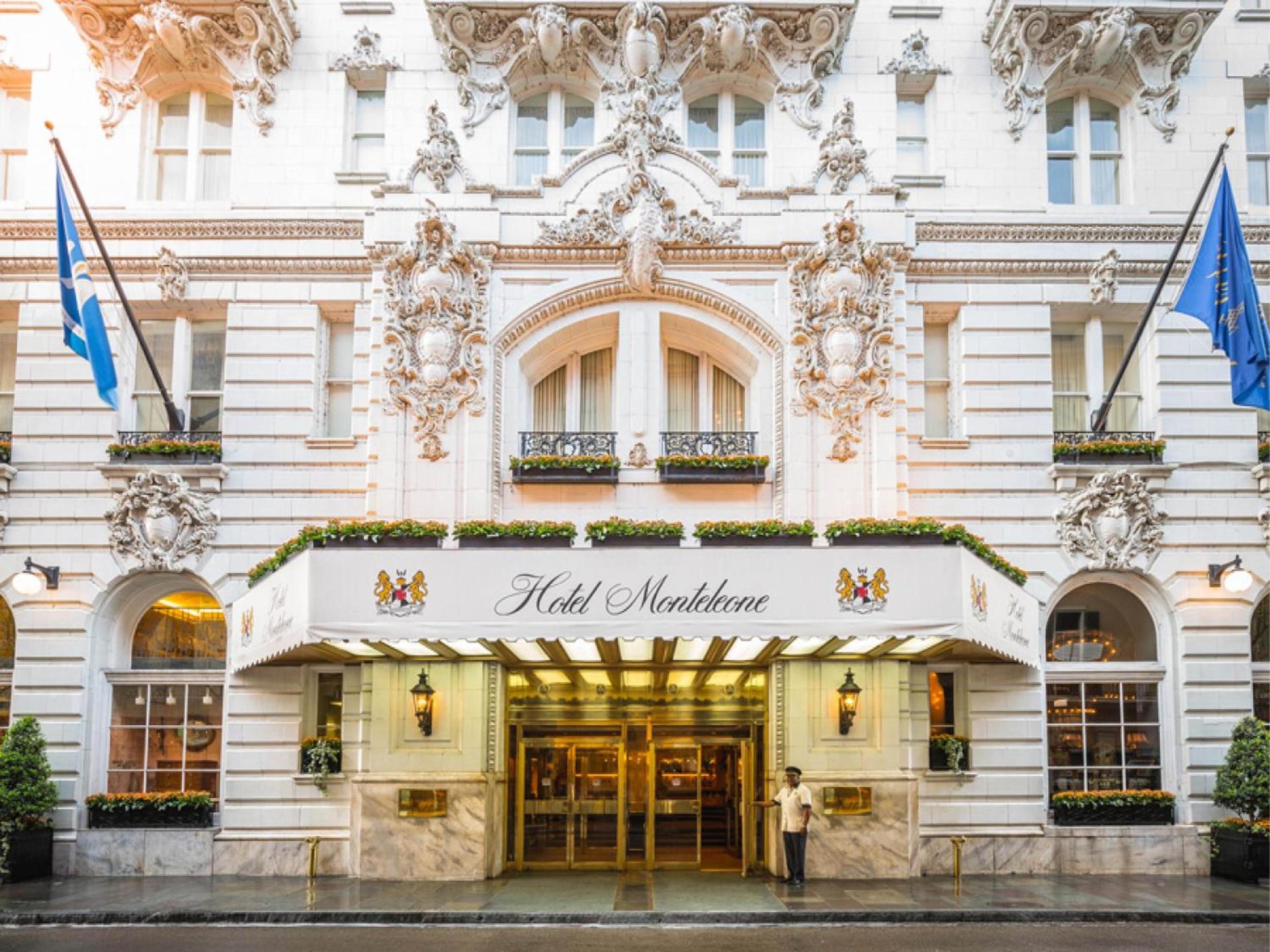
Guests loved: Exceptional service · Great location
The NOPSI Hotel in the CBD adds a rooftop pool (a summer lifesaver) and a short, calm walk to the Quarter.
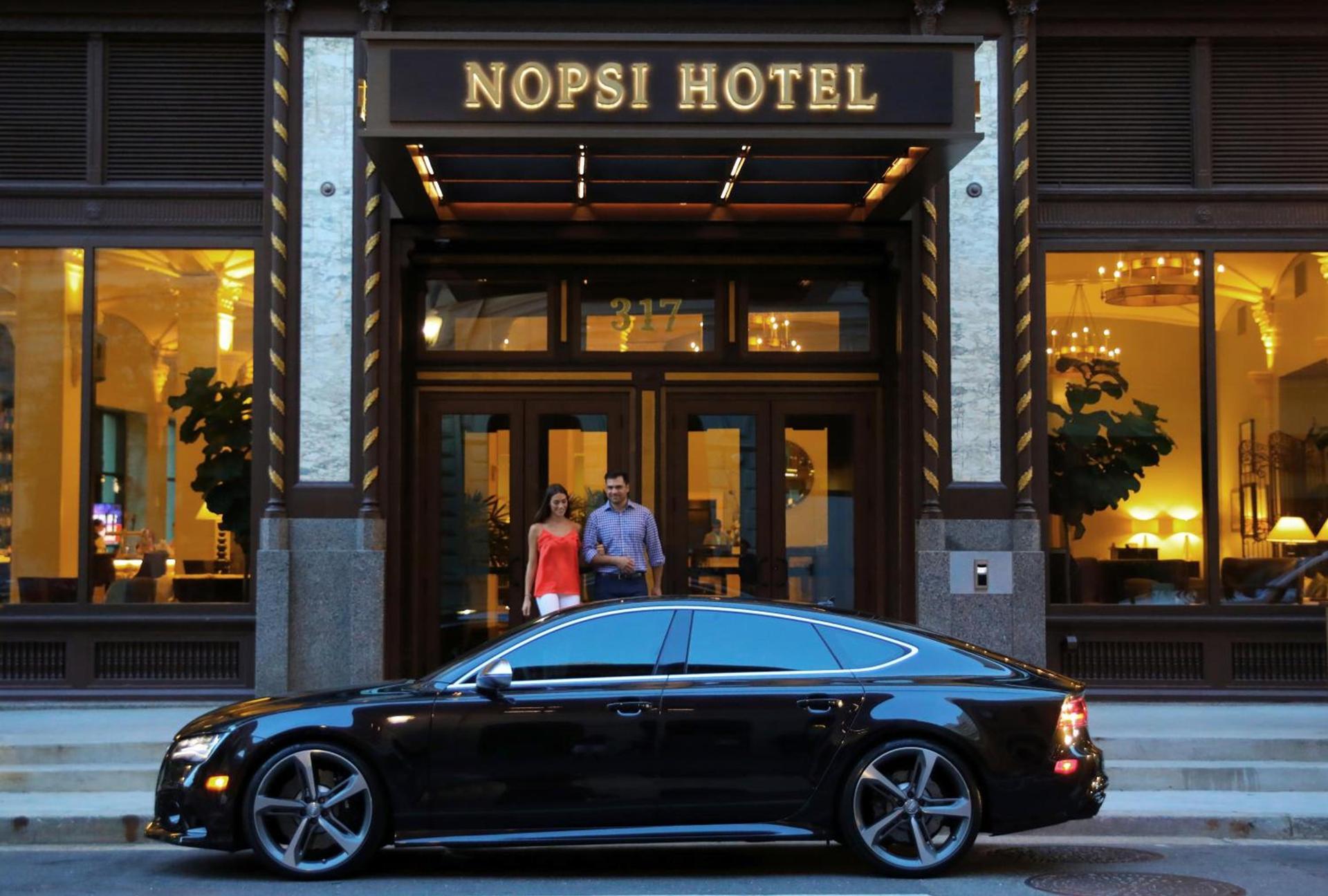
Guests loved: Great location · Friendly staff
For the full area by area breakdown, see our guide to where to stay in New Orleans, or browse the New Orleans hotels hub. Planning what to do once you arrive? Start with our list of things to do in New Orleans.
How Far Ahead to Book Your New Orleans Trip
Timing your booking matters almost as much as timing your trip. As a rule of thumb,
- Mardi Gras: up to a year ahead, hotels fill early and typically want 3 to 4 night minimums during the peak
- Jazz Fest and festival weekends: three to six months out, especially for rooms near the action
- Peak fall (October): two to three months ahead, since the great weather pulls the crowds
- Summer and January: a few weeks is usually fine, and this quiet window is where you save the most
A practical tip, pick your dates first, then your hotel. New Orleans rooms swing more by date than by property, so locking the right week matters more than agonizing over which hotel, especially around Carnival, when even average rooms command a premium.
Booking early helps lock in both availability and price for the busy dates, including anything that overlaps a festival. The quiet months reward the flexible, you can often grab a great rate close in.
Either way, the price you see on our site is the same for everyone, every day. So booking early is about availability, not beating a number that creeps up the more times you check.
The Bottom Line
The best time to visit New Orleans comes down to your priority, October, November for weather, February, May for festivals, summer for low prices, and the two weeks around Mardi Gras (February 17, 2026) only if you want the party. The shoulder months of March and November quietly win for most people.
Most visitors who are not tied to a festival are happiest in October or November, but with the month by month rundown above, you can match New Orleans to whatever you are actually after. Whenever you go, plan around the feels like temperature, watch the forecast for late summer trips, and book early for any festival dates. And whatever the season, the room price you see here is the same one everyone else sees, no surveillance pricing, no fake "deal," no fee sprung on the last screen.
See live New Orleans prices — one honest number, the same for everyone.
See New Orleans pricesReady to look at New Orleans stays?
One honest price — the rate plus one small flat fee, the same for everyone.
Search New Orleans hotelsFrequently asked questions
- What is the best time to visit New Orleans?
- October and November for the best weather (crisp 70s, low humidity), or February through May for festival season, Mardi Gras, French Quarter Fest, and Jazz Fest. The shoulder months of March and November are the sweet spot, great weather, smaller crowds, and fairer prices than peak festival dates.
- What is the cheapest time to visit New Orleans?
- Summer, June through September, is the cheapest, because the heat and humidity scare most visitors off. August is the rock bottom month, with hotel rates often running far below spring. January is another cheap lull, a quiet window between New Year's and the Mardi Gras build-up.
- What is the best month weather wise?
- October. Highs settle into the comfortable 70s, low 80s, the humidity finally breaks, and rain eases off. November is a close second (cooler, still pleasant). Both beat the steamy 90s of July and August by a mile.
- When is Mardi Gras 2027?
- Fat Tuesday is February 9, 2027. Carnival season runs from January 6 (Twelfth Night) up to that day, with the parades and crowds peaking in the final two weeks. Book a hotel up to a year ahead for that window, many require 3 to 4 night minimums. See our full [Mardi Gras in New Orleans guide](/blog/mardi-gras-in-new-orleans) for the parade schedule.
- What is the worst time to visit New Orleans?
- July and August if you cannot handle heat, daily highs near 92°F with brutal humidity and afternoon thunderstorms, during peak hurricane season. The two weeks before Mardi Gras are also tough if you want a calm trip, packed, expensive, and not for the crowd averse.
- Is hurricane season a problem for visiting New Orleans?
- Hurricane season runs June 1 to November 30, peaking August, September. Direct hits are rare and storms are tracked days ahead, so a trip booked a few weeks out can dodge trouble. The bigger summer nuisance is daily heat and humidity, not hurricanes. Travel insurance is smart for late summer trips.
- What is the rainiest month in New Orleans?
- Summer is the wettest stretch, with July typically the rainiest, but it is short, dramatic afternoon thunderstorms, not all day gloom. They roll in around 3 p.m., dump for an hour, and clear. Carry a packable rain jacket and plan an indoor option for late afternoons.
- How many days do you need in New Orleans?
- Three to four days covers the highlights, the French Quarter, the Garden District, a swamp tour or plantation day trip, and plenty of food and music. A long weekend works. Add a day or two if you are visiting during a festival, when everything takes longer.
Related guides
- Christmas in New Orleans: 15 Festive Things to Do in 2026The honest guide to Christmas in New Orleans. Celebration in the Oaks, Reveillon dinners, the Christmas Eve levee bonfires, free caroling in Jackson Square, New Year's Eve, and which December nights to book first. As of 2026.
- New Orleans Mardi Gras Hotels: Best Places to Book Now (2027)The honest guide to booking a hotel for Mardi Gras 2027 in New Orleans. Where the parades actually roll, the best areas and real hotels for each, what a room costs during the surge, and how to lock a fair rate early. As of 2026.
- New Orleans Bachelorette Weekend: A Local's Ultimate GuideThe honest guide to a New Orleans bachelorette weekend. Where to stay, the three day plan, drag brunch, Bourbon Street and the go cups, the daytime activities, and what it all costs once you split it twelve ways. As of 2026.
- New Orleans Jazz Fest 2027 Guide: Dates, Tickets & TipsThe honest guide to New Orleans Jazz Fest 2027 (April 22 to May 2). When it is, what tickets cost, how to reach the Fair Grounds, the food to eat first, and where to stay during the most expensive hotel week of the year. As of 2026.