Surveillance Pricing: How Your Data Sets What You Pay in 2026
By Gilson Tonin, MBA · Founder of travelpluscost
June 23, 2026 · 10 min read
Search Las Vegas stays
One honest price — the rate plus one small flat fee, the same for everyone, on any device.
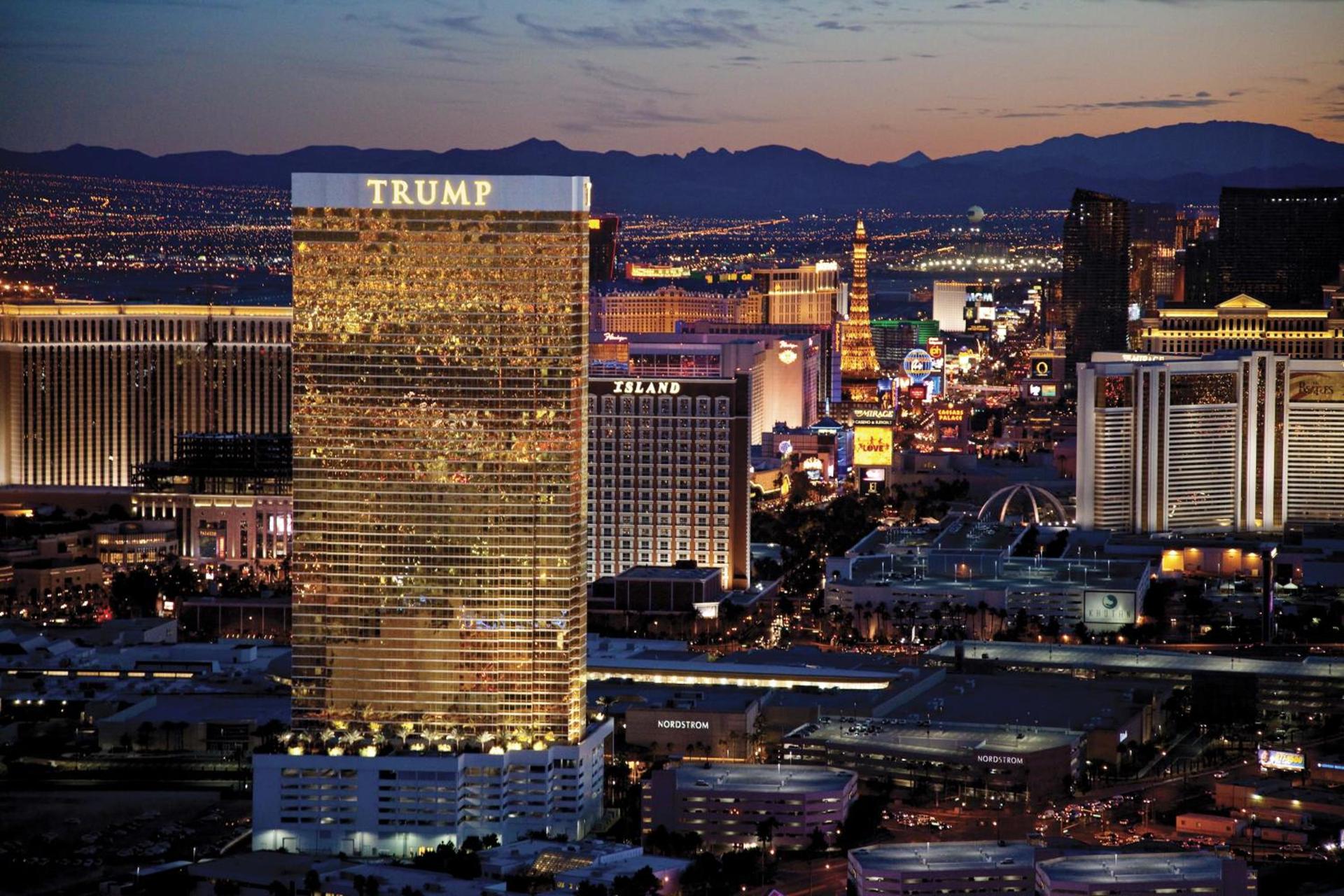
Photo: Trump International Hotel Las Vegas
Check prices for these dates
Top-rated stays in Las Vegas
One honest price — the rate plus one flat fee, the same for everyone

Otonomus Hotel - Las Vegas
Las Vegas, Nevada
SpaEV charging

Residence Inn by Marriott Las Vegas Airport
Las Vegas, Nevada
GymParking
Hilton Club Elara Las Vegas
Las Vegas, Nevada
EV chargingGym

Candlewood Suites - Las Vegas - E Tropicana by IHG
Las Vegas, Nevada
EV chargingGym

Hampton Inn Las Vegas Strip South, NV
Las Vegas, Nevada
BreakfastSpa

Suites at Tahiti Village Resort and Spa Las Vegas-No Resort Fee
Las Vegas, Nevada
SpaAirport shuttle
The short answer
Surveillance pricing is when a seller uses your personal data, device, location, and browsing history, to decide the price you see, so two shoppers can pay different amounts for the same thing. It is common in travel, mostly legal in 2026, and hard to dodge from your end.
- It is personalized, not posted, the price is calculated for you from your data, not shown to everyone.
- Travel is ground zero, from Mac users steered to pricier hotels to AI-set airline fares.
- Mostly legal in 2026, the FTC is investigating and 40+ state bills are in play, but there is no broad ban yet.
- You can blunt it, not beat it, compare across devices and browsers. The real fix is a seller that does not price you.
- The alternative is deterministic pricing, one price for everyone, the same on any device, that you can verify.
Surveillance pricing is a price set from your personal data, your device, your location, your browsing history, so two people can search the identical room and see two different numbers. It is the price tag that checks your ID before it answers.
This guide covers what surveillance pricing is, how it works, where it hides in travel, whether it is legal, and what you can do about it, as of 2026. If you have ever watched a fare creep up on the second search, this is the why.
What surveillance pricing actually is
Surveillance pricing is personalized pricing built on personal data. Instead of one published price everyone sees, a company estimates the most you are likely to pay and shows you that number.
The Federal Trade Commission (FTC) uses the term for exactly this, prices based on the consumer data a business has quietly collected about a specific shopper.
It helps to name what it is not. A normal price is a number on a shelf that everyone sees.
Surveillance pricing is a number calculated for you, behind glass, from signals you never handed over on purpose. It is the difference between a menu and a mind reader.
The data feeding it is broad. The FTC's review pointed to a wide range of personal information, location, the device in your hand, what you browsed, what you bought before, even how long you lingered on a page.
None of that has anything to do with what the thing costs to provide. It only describes you.
That is the part worth sitting with. The room, the flight, the pair of shoes costs the seller the same whether you are on an old Android or a new laptop. Surveillance pricing charges the difference anyway, because it can.
Everyday examples of surveillance pricing
Retailers do it too, not just travel sites. In one documented case, an office supply website showed customers different online prices depending on how close they were to a rival store, same product, same screen, a different number for each shopper. Once a business can recognize who is asking, the published price becomes a starting point it can quietly move.
How surveillance pricing works
It works by turning your behavior into a guess about your wallet. A company collects signals, feeds them to a pricing model, and the model outputs an individualized price aimed at you. You see one number, the person beside you sees another, and neither of you sees the math.
The signals are mundane on their own. Stacked together, they sketch a profile,
| Signal | What a pricing model may read into it |
|---|---|
| Your device | A newer or pricier phone can read as "less price sensitive" |
| Location / ZIP | A higher income area can read as "can pay more" |
| Browsing history | Repeat visits can read as "wants it, will pay" |
| Time and urgency | A last minute search can read as "out of options" |
Location information and rough demographics matter most of all, a shopper in a wealthy ZIP code can quietly see higher prices, or just different consumer prices, than someone across town.
How companies collect the data
So where do the signals come from? The same places the rest of the online economy mines them, cookies and tracking tools that follow you between sites, the account you signed in with, your purchase history, and third parties like data brokers that collect information and sell consumer habits in bulk.
Businesses do not have to ask permission for most of it. The digital exhaust of ordinary browsing is enough for the technology to build a working profile of you.
The catch is the black box. Most surveillance pricing happens with no notice, you do not know a personalized price is being shown, or which of your data drove it. That opacity is the design, not a bug, and it sits at the root of the ethical concerns, if you could see the data used and argue with the inputs, the whole trick would stop working.
It is worth being precise here, because these pricing models are genuinely good at this. They do not set prices once and walk away, they adjust prices in real time, and the pricing decisions are made for you, based on data, before the page finishes loading. Your phone has, in its quiet way, told them more about your budget than you would tell a friend.
Surveillance pricing in travel
Travel is where surveillance pricing earned its reputation. Over a decade ago, the booking site Orbitz was found to be steering Mac users toward pricier hotel options, on the theory that Mac owners spend more. Apparently owning a laptop was read as a willingness to pay extra for the room with the view.
It did not stop there. The pressure now is on airlines, researchers and regulators warn that carriers are moving toward fares set by artificial intelligence, pricing algorithms built from your shopping behavior and browsing history, not just supply and demand.
The fare that jumps between your first and second search is the folklore version of this. The documented version is worse.
| Reported in travel | What it looked like |
|---|---|
| Mac vs. PC hotels | Pricier hotels surfaced to Mac users |
| Repeat searches | Fares that climb on the second look |
| Device gaps | Friends seeing different prices on different phones |
Online travel agencies sit in the perfect spot for this. They see your device, your past trips, your dwelling time, your account, every signal a pricing model wants. The result is an industry where "the price" quietly became "your price," and almost nobody was told.
Hotels can play the same game from the other direction. A chain might post one public rate, then slip a quieter "member" price to a guest it recognizes, so the traveler who never signed up pays the sticker, while the regular pays less for the identical room. The rate looks public. The real discount is private, handed out by who you are rather than what you booked.
This is the part that made us build a travel company the other way. More on that below.
Is surveillance pricing legal?
Mostly, today, yes, and that is exactly why it spread. There is no broad federal ban on charging different people different prices from their data, as long as the reason is not an explicitly protected trait like race. That gap is what regulators are now circling.
The current legal landscape
The Federal Trade Commission opened an inquiry into surveillance pricing in 2024, ordering eight companies to hand over details on their pricing practices, and, in January 2025, shared early findings that companies use a wide range of personal data to set individualized prices. States moved too, New York began requiring disclosure of personalized algorithmic pricing in 2025, Maryland moved to restrict it in 2026, and more than 40 state bills on algorithmic or surveillance pricing were filed across the United States in 2026.
So the trend line is clear, even if the law is not finished. Regulators move at the speed of regulators, and the models ship weekly.
For consumers, the real issue is transparency, you cannot contest a price you do not know is personalized. That is why the newest laws and regulations lean on disclosure, making a business tell shoppers when an algorithm set their price, and why consumer rights groups call disclosure alone weak medicine.
A law that only forces a company to admit it is happening does not force it to stop. Until the legal protections have teeth, the burden of noticing stays on you.
The honest read, the current legal landscape is a patchwork.
Most surveillance pricing is legal, lightly disclosed, and under growing scrutiny, with louder calls for accountability every year. "Legal for now" is not the same as "fine", and unlike price gouging, no broad law yet treats charging you more for being you as off limits.
How to protect yourself from surveillance pricing
You can blunt it, but you cannot fully beat it from your end. The tactics work by starving the model of signals, and they help more often in retail than in travel, where your account ties everything together.
| Tactic | What it does | The catch |
|---|---|---|
| Compare across devices and browsers | Surfaces a price gap as your evidence | Only tells you after the fact |
| Browse logged out, in a private window | Strips cookies, your account and history | Device fingerprinting still works |
| Clear cookies between searches | Kills the "you came back" urgency signal | Resets your saved convenience too |
| Mask your location with a VPN | Tests whether your ZIP code moves the price | Some sites quietly block VPNs |
A couple of habits help at the margins too. Book from a device that is not signed in to your shopping accounts, so there is no profile to match you against.
And shop before you are desperate, a model reads a frantic, last day search very differently from a relaxed one three weeks out. Urgency is one of the strongest signals a pricing system has, and one of the few you actually control.
Now the honest part, twice over. First, these are band aids, a determined model can still fingerprint your device or match you by login, so a clean private window is no guarantee.
Second, you should not have to do any of this. Stripping your own data, opening incognito, and routing through a VPN turns booking a hotel into a low budget heist, and most people, reasonably, will not bother.
The real fix is not a browser trick. It is buying from a seller that does not price you in the first place.
The alternative: one price for everyone
Our whole model is the opposite of surveillance pricing, what the hotel charges us, plus one small flat fee, the same price for everyone, never based on your data.
The price is deterministic. The same hotel, the same dates, from any browser, phone, or state, returns the identical number.
That is a principle, not a slogan, a price should answer to the room, not to the shopper. We do not read your device, we do not weigh your ZIP code, and we do not run tests on what you will tolerate. The fee is the same one your neighbor pays.
- 1The hotel's rateWhat the hotel charges us for the room.
- 2One small flat feeThe same fee for everyone, never set from your data.
- 3The price you seeAll in and shown up front. No surprises at the last screen.
You can check our work, which is the point. Open a stay on your laptop, then open it on your phone on another network, same price. Try it across any of the 66,235 hotels in our directory and the number will not flinch.
We are not promising the lowest headline rate on the internet, the hotel sets its own base rate, and that still moves with demand for everyone. What we promise is the part we control, one honest, all in number, shown up front, identical for every shopper. That is how our pricing works, and why we built it this way.
Planning a real trip rather than a principle? Our guide to where to stay in Oahu runs on the same honest pricing.
And if you change one habit after reading this, before you book anything, check the price on a second device. If it matches, you have found a seller worth keeping.
Ready to look at Las Vegas stays?
One honest price — the rate plus one small flat fee, the same for everyone.
Search Las Vegas hotelsFrequently asked questions
- Does Amazon use surveillance pricing?
- Amazon was among the eight companies the FTC ordered to hand over information for its surveillance pricing study, and it has long used algorithmic pricing that changes often. Whether a specific price is personalized to you is exactly the black box regulators are examining.
- Does incognito mode stop surveillance pricing?
- It helps but does not stop it. A private window drops cookies and your login, which removes the easiest ways to recognize you, but sites can still fingerprint your device or match you once you sign in to book. Treat it as friction, not a force field.
- Is dynamic pricing the same as surveillance pricing?
- No, and the difference matters. Dynamic pricing moves a price for everyone based on demand or timing, a room costs more on a busy weekend. Surveillance pricing moves the price for you based on your data, so two people see different numbers at the same moment.
- Can I tell if I am being shown a personalized price?
- Rarely with certainty, because the pricing is hidden by design. The practical test is to compare the same item across a logged out browser, a different device, and a different network. A consistent gap is the closest thing to proof you will get.
- Is surveillance pricing the same as price gouging?
- Not quite. Price gouging is charging everyone an unfairly high price, usually in an emergency. Surveillance pricing charges different people different prices from their data. They can overlap, but surveillance pricing is about who you are, not just what the market is doing.
Related guides
- Hotel Resort Fees: What They Are and How to Avoid Them (2026)Why a $199 room is really a $244 room, and the handful of moves that actually get you out of paying the fee.
- Haunted New Orleans: Ghost Tours, Cemeteries & Haunted HotelsThe honest guide to haunted New Orleans. The real history behind the ghosts, the Cities of the Dead and how to visit them respectfully, the ghost tours worth taking, and the famously haunted hotels you can actually book. As of 2026.
- New Orleans Mardi Gras Hotels: Best Places to Book Now (2027)The honest guide to booking a hotel for Mardi Gras 2027 in New Orleans. Where the parades actually roll, the best areas and real hotels for each, what a room costs during the surge, and how to lock a fair rate early. As of 2026.
- New Orleans Jazz Fest 2027 Guide: Dates, Tickets & TipsThe honest guide to New Orleans Jazz Fest 2027 (April 22 to May 2). When it is, what tickets cost, how to reach the Fair Grounds, the food to eat first, and where to stay during the most expensive hotel week of the year. As of 2026.